Many Calgary homeowners consider tackling attic insulation as a weekend project to save money. Rising utility bills and cold indoor temperatures during Alberta winters prompt property owners to evaluate whether they should handle upgrades themselves or hire trained contractors. This decision affects not only immediate costs but long-term energy performance, home safety, and resale value. At Eco Attic Solutions Inc., we’ve observed the substantial differences in outcomes between DIY attempts and professional installations across hundreds of Calgary homes.
The question between do-it-yourself work and hiring residential insulation specialists in Calgary involves more than comparing price quotes. Proper attic upgrades require technical knowledge of building science, Alberta climate considerations, ventilation balance, and material selection. This discussion examines the practical differences between DIY approaches and professional installations to help you make an informed choice.
Understanding the Real Costs of DIY Attic Insulation Projects
Equipment Rental, Material Waste, and Hidden Expenses
DIY attic projects appear budget-friendly until homeowners calculate actual expenses. Renting a blown-in insulation machine in Calgary typically ranges from about $50 to $200 per day, depending on the rental location and machine type. Some suppliers advertise rates as low as $28-$75/day, with higher rates at full-service rental companies. Most residential projects require 2-3 days for first-time installers, adding up quickly.
Material waste represents another hidden cost. Many DIYers tend to over-purchase insulation due to uncertainty about required coverage, sometimes buying 10-20% more than needed to avoid running short. A typical blown-in fiberglass product might require dozens of bags (often 40-80+) to reach R-60 in a 1,500 sq ft attic; exact quantities depend on the product’s R-value per bag. Purchasing extra bags “just in case” adds $200-$400 in unnecessary expenses.
Personal protective equipment, including respirators, safety glasses, disposable coveralls, and knee pads, adds another $100-$150. These single-use items become waste after the project concludes.
| DIY Cost Category | Typical Calgary Range |
| Equipment rental (2-3 days) | $150 – $450 |
| Material waste (15-25% excess) | $200 – $400 |
| Safety equipment | $100 – $150 |
| Disposal fees | $50 – $100 |
| Total Hidden Costs | $500 – $1,100 |
Time Investment for Homeowners vs. Professional Efficiency
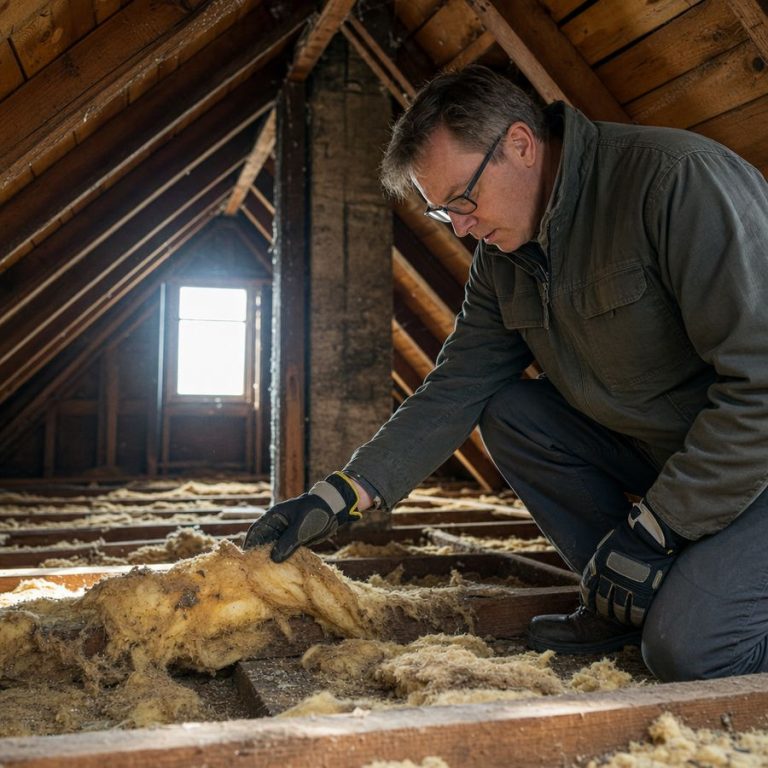
Time represents another factor homeowners frequently underestimate. Removing old insulation, air-sealing penetrations, and installing new materials takes experienced DIYers 20-30 hours for an average Calgary home. Working around HVAC ducts, electrical wiring, and roof trusses requires careful maneuvering in confined spaces with limited headroom.
Professional crews typically complete attic insulation in a few hours to a single workday, whereas DIY projects can take considerably longer for inexperienced installers. This efficiency stems from specialized equipment, team coordination, and years of installation experience. The time difference allows homeowners to maintain their regular schedules rather than dedicating entire weekends to challenging physical labor.
Safety Risks and Potential Code Violations
Working in attics presents legitimate safety concerns. Heat exhaustion occurs quickly in summer when attic temperatures exceed 60°C. Stepping between joists can result in falling through the ceiling drywall, causing injury and expensive repairs.
Alberta building codes require specific ventilation ratios and vapor barrier installations. Violating these requirements creates moisture accumulation and potential mold growth.
What Residential Insulation Specialists Bring to Calgary Homes
Whole-Attic Inspection: Air-Sealing, Ventilation, and R-Value Optimization
Trained contractors don’t simply add insulation material. They evaluate the entire attic system, identifying air leakage points, ventilation deficiencies, and existing moisture problems. This integrated approach addresses root causes rather than covering symptoms.
Air-sealing represents the most important step before adding insulation. Research shows that air leakage accounts for substantial heating and cooling energy loss in Canadian homes. Sealing around plumbing stacks, electrical boxes, and ceiling penetrations prevents warm indoor air from escaping into the attic.
Proper ventilation balance protects roof structures from moisture damage and ice dam formation. Contractors verify that intake vents (soffit vents) match exhaust vents (ridge or roof vents) to create consistent airflow throughout the attic cavity.
Access to Commercial-Grade Blown-In Fiberglass Materials
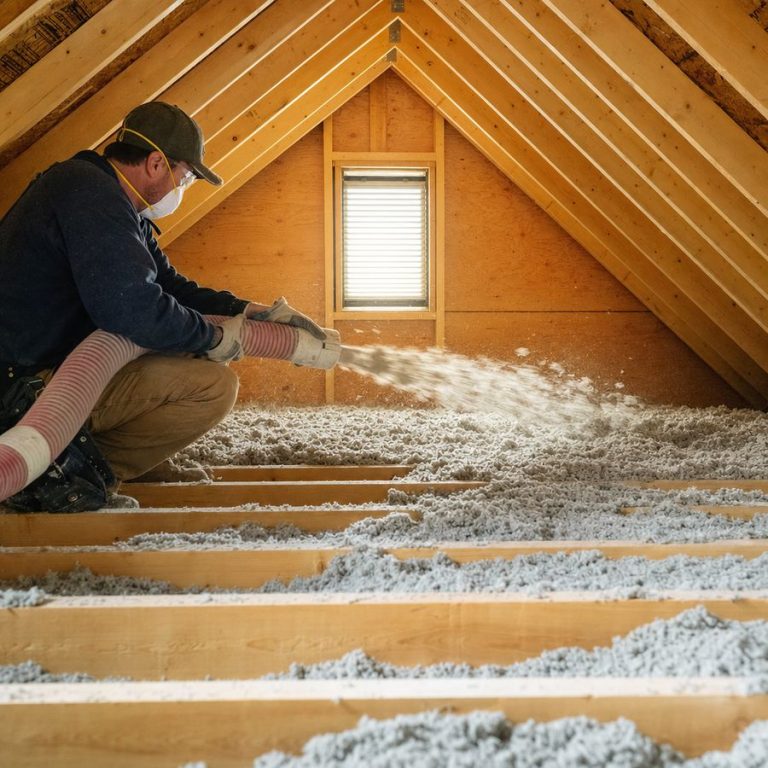
Professional installers use higher-quality materials than retail stores stock. Commercial-grade blown-in fiberglass contains no formaldehyde and achieves better settling resistance than consumer products. This material maintains its R-value over decades rather than compressing and losing thermal performance.
At Eco Attic Solutions, we use premium blown-in fiberglass that delivers consistent R-60 performance in Calgary homes. The material fills irregular spaces around framing members and creates a seamless thermal barrier without gaps or compression.
Understanding Alberta Building Codes and Climate Requirements
Calgary’s climate zone demands R-60 attic insulation according to Alberta Building Code standards. According to the City of Calgary’s climate-ready measures, the National Building Code – Alberta Edition requires RSI 10.43 (R-60) in ceilings below attics for new construction and renovations. This requirement reflects our cold winter temperatures and significant temperature fluctuations between seasons.
Professional contractors understand local building inspectors’ expectations and documentation requirements. They provide installation certificates needed for energy efficiency rebates through various provincial and federal programs.
Common DIY Attic Insulation Mistakes That Cost Calgary Homeowners
Inadequate Air-Sealing Before Insulation Installation
The biggest mistake DIY installers make involves skipping air-sealing work. Adding insulation over air leaks wastes money because warm air continues escaping through gaps and cracks. The insulation simply provides a path for airflow rather than stopping heat loss.
Proper air-sealing requires specialized materials, including fire-rated caulking for electrical penetrations and expanding foam for larger gaps. Many homeowners use incorrect products or miss hidden air leakage points around recessed lights, bathroom fans, and attic hatches.
Blocking Soffit Vents and Creating Moisture Problems
Another common error involves installing insulation that blocks soffit vents. This prevents fresh air intake and disrupts the ventilation system. Trapped moisture accumulates in the attic, leading to wood rot, mold growth, and premature roof failure.
Building science research demonstrates that blocked soffit vents substantially increase moisture levels in Calgary’s climate. Installing baffles before adding insulation maintains clear airflow channels from soffit to ridge vents, protecting the roof structure from moisture damage.
Compressing Batts and Reducing Actual R-Value Performance
DIY installers often compress fiberglass batts to fit them around obstacles or into tight spaces. This compression eliminates air pockets within the material and dramatically reduces thermal performance. An R-30 batt compressed by 50% delivers only R-15 actual performance.
Blown-in insulation eliminates this problem by conforming to irregular spaces without compression. Professional installation equipment delivers consistent density throughout the attic, maintaining rated R-values.
How Professional Attic Insulation Delivers Better ROI
Energy Savings Data: Properly Installed vs. DIY Projects
According to Statistics Canada’s Households and the Environment Survey, Alberta households consumed an average of 124.6 gigajoules of energy per household in 2019, the highest consumption rate in Canada. Space heating accounts for approximately 64% of total residential energy use, making attic insulation upgrades particularly valuable in Alberta’s climate.
Properly installed attic insulation and air sealing can reduce annual heating costs, often in the teens or higher percentage range, whereas incomplete or poorly sealed DIY installations may deliver less noticeable savings. Actual savings vary widely based on home condition and energy usage.
For a Calgary home with $2,800 annual heating costs (based on average Calgary utility costs of approximately $230-350 monthly for gas and electricity), professional installation saves $420-$700 yearly. DIY work saves approximately $224-$336 yearly. The difference of $196-$364 annually adds up to $5,880-$10,920 over 30 years.
Warranty Protection and Rebate Qualification Requirements
Professional contractors provide workmanship warranties covering installation defects. At Eco Attic Solutions, our 12-month workmanship warranty protects your investment and provides reliable after-service support for any questions about your attic system.
Many energy-efficiency rebates and incentive programs, including federal initiatives, may require professional installation documentation. Various federal and provincial energy efficiency programs mandate licensed contractor installation to qualify for financial incentives. Check program details for eligibility criteria. DIY work typically disqualifies homeowners from these programs.
Thermal Imaging Results Comparing Professional Methods
Thermal imaging cameras reveal performance differences between DIY and professional installations. Properly installed insulation shows consistent temperature patterns across the entire ceiling surface. DIY installations display hot spots indicating air leakage, missing coverage, or compression issues.
These thermal deficiencies translate to comfort problems, including cold rooms, drafts, and uneven temperatures between floors. Professional installation eliminates these issues through systematic coverage and quality control procedures.
DIY vs. Calling Residential Attic Insulation Contractors
Small Top-Up Projects Homeowners Can Safely Handle
Limited situations exist where DIY residential attic insulation work makes sense. Adding 2-4 inches of loose-fill insulation to an existing well-installed base involves minimal risk. This top-up work requires no air-sealing, ventilation modifications, or code compliance concerns.
Homeowners comfortable working in confined spaces can handle these small projects with rented equipment. However, even top-up work benefits from professional assessment to identify underlying problems.
Red Flags That Require Professional Evaluation
Several conditions demand professional evaluation before any insulation work begins:
- Roof leaks or water stains on the ceiling drywall
- Visible mold or musty odors in the attic
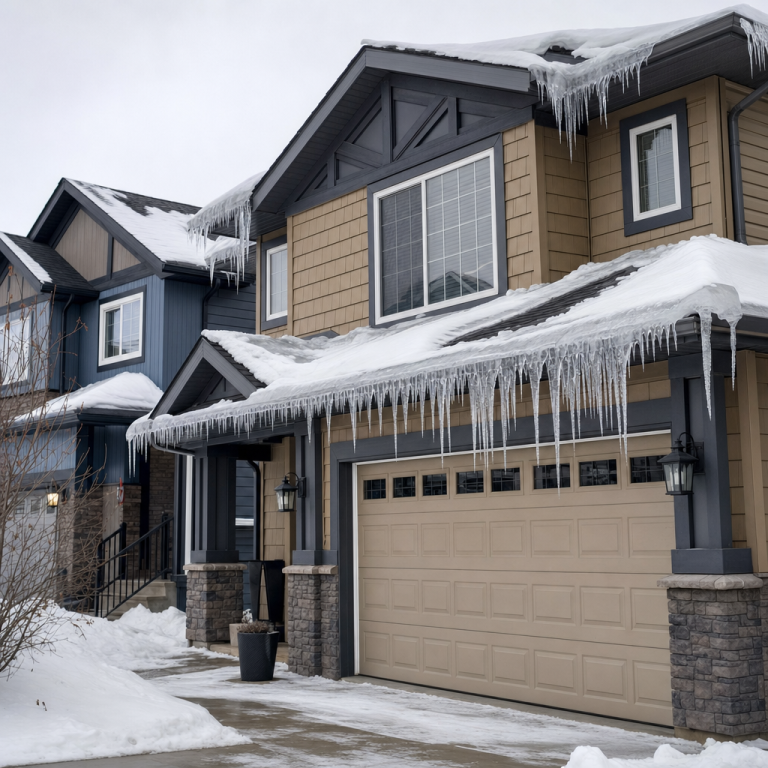
- Ice dam formation along the roof edges during winter
- Inadequate or blocked ventilation systems
- Knob-and-tube wiring or aluminum wiring
- Recessed lights without IC (insulation contact) ratings
- HVAC ducts, located in an unconditioned attic space
These issues require specialized solutions beyond simply adding insulation material.
Critical Situations Demanding Certified Installers
Certain projects legally require licensed contractors. Removing vermiculite insulation potentially containing asbestos mandates certified abatement specialists. Structural modifications affecting load-bearing members need engineering approval and licensed construction professionals.
Homes with complex roof designs, cathedral ceilings, or multiple attic levels benefit from professional experience navigating challenging installations. The risk of costly mistakes outweighs potential DIY savings in these situations.
Choosing the Right Residential Attic Insulation Approach for Your Calgary Home
Questions to Ask Before Starting Any Attic Project
Before deciding between DIY and professional work, consider these factors:
- Does your attic have adequate ventilation meeting current building codes?
- Can you identify and properly seal all air leakage points?
- Do you have access to commercial-grade insulation materials?
- Will your installation qualify for available energy efficiency rebates?
- Can you complete the project safely without risking injury?
Honest answers to these questions guide appropriate choices between self-installation and hiring residential insulation specialists in Calgary.
How to Evaluate Contractor Credentials and Experience
When selecting professional contractors, verify their credentials and experience. Request references from recent Calgary projects and check online reviews on platforms like HomeStars or Google Business.
Qualified contractors should provide:
- Valid business licenses and liability insurance
- Manufacturer certifications for the materials they install
- Written estimates detailing the scope of work
- Clear warranty terms for workmanship and materials
- Information about rebate eligibility and documentation
The Alberta Building Envelope Council provides resources on building science best practices that qualified contractors follow in their installations.
What Premium Workmanship Includes Beyond Installation
Quality contractors deliver comprehensive service beyond material installation. This includes pre-installation inspection, air-sealing procedures, ventilation balance verification, and post-installation cleanup.
Premium service means protecting your living space from dust and debris during the project. At Eco Attic Solutions, our crews use drop cloths, seal HVAC registers, and thoroughly clean work areas before completion. The attic should show no evidence of material spillage or installation debris.
Ready for Professional Results? Contact Our Team
Professional attic insulation delivers superior long-term value through proper installation, warranty protection, and rebate qualification. Calgary homeowners benefit from choosing residential attic insulation contractors who understand local building codes, climate requirements, and building science principles.
Eco Attic Solutions provides complete attic assessment and installation services throughout Calgary and surrounding communities, including Okotoks, Cochrane, and High River. Our whole-attic approach combines air-sealing, ventilation balance, and high-R blown-in fiberglass for maximum energy savings and home comfort.
Contact us at (403) 990-9033 or admin@ecoatticsolutions.com to schedule a free attic inspection. We’ll evaluate your current insulation, identify improvement opportunities, and provide a detailed quote covering all work needed for optimum performance.