Calgary homeowners face a practical choice when upgrading residential attic insulation in Calgary: blown-in loose-fill or fibreglass batts. The best option depends on your home’s age, attic configuration, and existing conditions, rather than one material being universally superior.
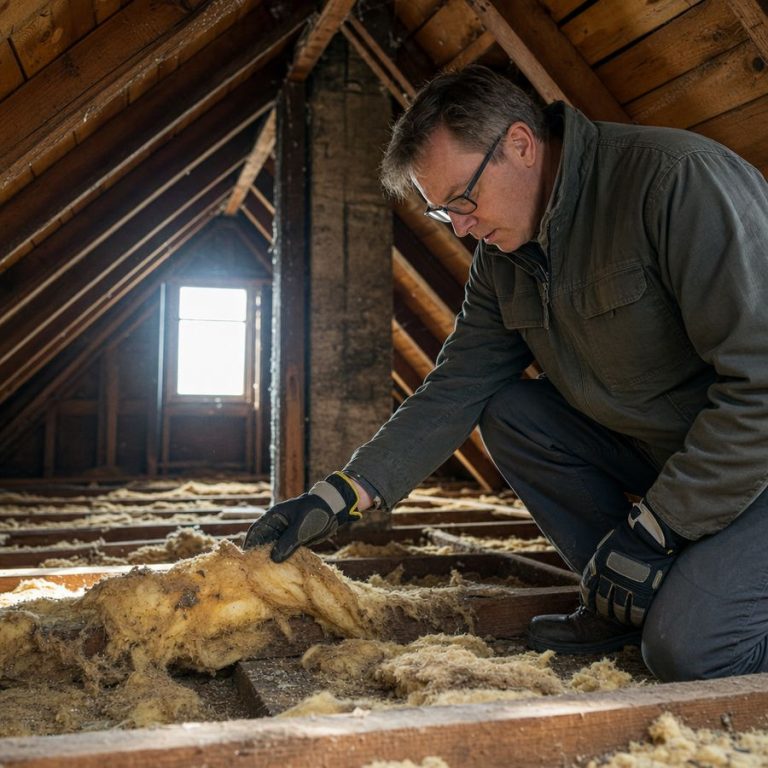
Blown-in insulation typically performs better in retrofit situations – older homes with irregular joist spacing, numerous obstructions, or patchwork framing. The loose-fill material conforms around obstacles and fills gaps that batts cannot reach, providing more complete coverage where it matters most.
Batt insulation works efficiently in new construction or attics with standard joist spacing, minimal obstructions, and good accessibility. Installation is straightforward when conditions are ideal.
This guide compares both materials on performance, cost, installation requirements, and real-world ROI using Calgary climate data. You’ll learn how our extreme temperature swings (−30°C to +30°C annually) affect insulation choices, what R-values make sense for Prairie homes, and which situations favour each material type.
At Eco Attic Solutions Inc., we’ve completed over 500 Calgary attic insulation projects since 2022, guiding homeowners through exactly this decision.
What Are Blown-In and Batt Insulation?
These two insulation types use different materials and installation methods, which directly impact their performance in Calgary attics.
Blown-In Insulation Characteristics
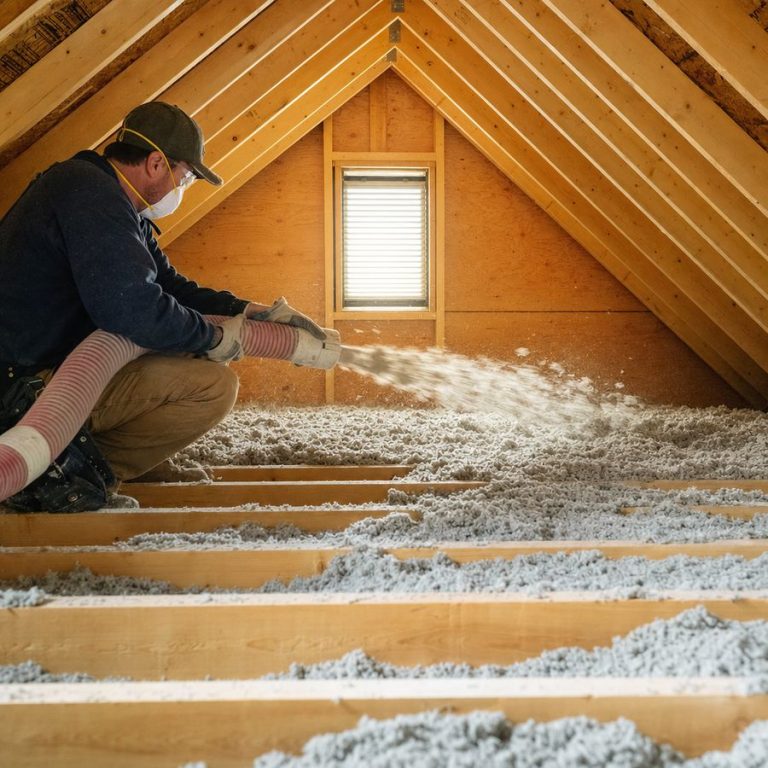
Blown-in insulation consists of loose-fill material installed using specialized pneumatic equipment. The most common material for Calgary attics is fibreglass, though cellulose is also available. A professional installer uses a hose to blow the material into your attic space, where it settles around obstacles and fills irregular spaces.
This installation method creates seamless coverage without gaps. The material flows around ductwork, electrical wiring, and roof trusses. Typical professional installations by residential insulation specialists in Calgary vary widely with attic access, crew size, and prep work. For many average attics (no major removals or repairs), blown-in jobs can often be completed in a few hours, while full batt installations (including cutting/trimming around obstacles) commonly take longer.
Always get a time estimate from the contractor for the specific house. Industry cost/time guides show large variability; expect anything from a few hours to a full day for a 1,000–2,000 sq. ft. attic, depending on conditions.
Batt Insulation Characteristics
Batt insulation comes in pre-cut blankets or rolls, typically fibreglass wrapped in paper or foil facing. Standard widths fit between roof joists spaced 16 or 24 inches apart. Installation involves laying batts between joists, cutting pieces to fit around obstacles, and ensuring proper placement without compression.
Homeowners can install batts themselves, though achieving proper coverage requires attention to detail. Gaps around obstacles and compressed areas reduce effectiveness. Professional installation takes 6-8 hours for the same 1,500 square foot space.
Side-by-Side Comparison
| Feature | Blown-In Insulation | Batt Insulation |
| Material Form | Loose fibreglass or cellulose | Pre-cut blankets/rolls |
| Installation Method | Pneumatic blowing equipment | Manual laying between joists |
| Coverage Quality | Seamless, fills all gaps | Potential gaps around obstacles |
| Professional Required | Yes (specialized equipment) | No (DIY-friendly) |
| Installation Time | 4-6 hours | 6-8 hours |
| R-Value per Inch | R-2.5 to R-3.7 | R-3.1 to R-3.8 |
| Settling Factor | 2-3% over the first year | Minimal if installed properly |
How Do These Insulation Types Perform in Calgary’s Extreme Temperatures?
Calgary’s climate features large seasonal swings (record temperatures have ranged from far below −30°C in extreme historic events and above +30°C in summer heat events). Typical annual heating-degree days for Calgary are in the neighbourhood of 4,200–4,800 HDD (base 18°C), depending on the dataset and year; this is why higher attic R-values are cost-effective in the region. This climate demands high-performing insulation that maintains effectiveness year-round.
Thermal Performance Differences
Both insulation types can achieve the R-50 to R-60 values required for Calgary homes. However, the method of achieving these values affects real-world performance.
Blown-in insulation maintains consistent R-values across the entire attic surface because it fills every cavity and corner. Natural Resources Canada guidance notes that continuous, well-installed insulation reduces heat losses and limits thermal bridging; installers should follow NRCan and product manufacturer best practices to minimize gaps and bridging.
Batt insulation performs well when installed correctly, but field studies reveal common problems. Field studies and industry research show that improperly fitted batt insulation (gaps, compression, misfits around obstacles) is a common cause of underperformance in retrofit installations. Small gaps and compression can substantially reduce effective thermal resistance.
Some technical reports demonstrate that even narrow gaps and thermal bridging can halve the effective resistance in localized areas, but the exact percentage loss depends on gap size, location, and airflow. For practical guidance and evidence on the performance impact of gaps and thermal bridging, see Natural Resources Canada and building science summaries of thermal bridging impacts.
Long-Term Performance Considerations
Blown-in insulation settles 2-3% during the first year after installation. Quality installers compensate by adding extra material to maintain target R-values. After initial settling, the material remains stable for 20-25 years.
Batt insulation maintains its thickness if installed without compression. However, moisture exposure from roof leaks or condensation can cause sagging. Calgary’s dry climate reduces this risk compared to more humid regions.
What Does Attic Insulation Cost in Calgary?
For current per-square-foot prices, what drives the quote, and the Alberta rebates that offset it, see our full guide to attic insulation cost in Calgary.
Understanding both material and installation costs helps homeowners make ideal decisions. Prices vary based on attic size, existing insulation removal needs, and desired R-value increases.
Blown-In Insulation Investment
Typical attic upgrade costs vary substantially. Recent industry surveys and cost guides show blown-in attic insulation projects often range from roughly $1.00–$3.50 per sq. ft. installed (material & labour), depending on material and scope. The national average often falls around $1.50–$2.80 per square foot. Batt installs and DIY options can be lower in materials cost but may require more labour time. Use local contractor quotes and national cost guides (HomeAdvisor, Modernize, city fact sheets) to estimate your specific job.
Calgary Financing & Investment Analysis
Calgary homeowners can finance insulation upgrades through the City’s Clean Energy Improvement Program (CEIP), which offers low-interest financing and direct cost reductions. Professional residential attic insulation contractors registered with CEIP handle the application process and coordinate financing approval.
CEIP Program Benefits:
- Finance up to 100% of project costs at 3.75% interest (2025 rate)
- Receive a 10% discount applied directly to the total amount owed
- Repay conveniently through the property tax bill over up to 20 years
- No penalties for early payoff
- Financing transfers with the property if you sell
Investment Analysis for Calgary Homes:
| Upgrade Scenario | Project Cost | Annual Heating Savings | CEIP Financing (15-year term) | Net Annual Benefit* |
| R-12 to R-50 (Blown-In Fibreglass) | $2,900 | $630/year | $216/year payment | $414/year positive cash flow |
| R-20 to R-60 (Blown-In Cellulose) | $2,900 | $495/year | $216/year payment | $279/year positive cash flow |
| R-12 to R-40 (Professional Batts) | $4,500 | $540/year | $335/year payment | $205/year positive cash flow |
| R-0 to R-50 (New Insulation) | $3,200 | $1,100/year | $238/year payment | $862/year positive cash flow |
*Net benefit represents annual energy savings minus annual CEIP payment
Cash Purchase Payback Periods:
| Installation Type | Total Cost (1,500 sq ft attic) | Annual Savings | Simple Payback |
| Blown-In Fibreglass | $2,250-$3,600 | $500-$630 | 4-6 years |
| Blown-In Cellulose | $2,400-$3,450 | $450-$540 | 5-6 years |
| Fibreglass Batts (Professional) | $3,000-$6,000 | $480-$630 | 5-10 years |
| Fibreglass Batts (DIY) | $450-$2,250 | $380-$540 | 1-4 years |
Energy savings calculated using Calgary’s climate data (5,000+ heating degree days annually from Environment and Climate Change Canada), current natural gas rates, and typical R-12 to R-50 upgrades. Financing available through City of Calgary’s Clean Energy Improvement Program.
Ready to upgrade your attic insulation? Contact our highly skilled residential attic insulation contractors today to discuss CEIP-qualified project options and receive a detailed assessment of your home’s insulation needs.
Which Insulation Type is Right for Your Calgary Home?
The best choice depends on your home’s specific conditions, not a one-size-fits-all recommendation. Three factors matter most: your home’s age and attic configuration, existing air leakage issues, and installation approach.
When Blown-In Insulation Makes Sense
Blown-in insulation offers superior performance in these situations:
- Existing Homes Built Before 2010: Older Calgary homes typically have irregular attic spaces with numerous obstacles. Pipes, ductwork, electrical wiring, and roof trusses create difficult-to-insulate areas. Blown-in material flows around these obstacles without leaving gaps.
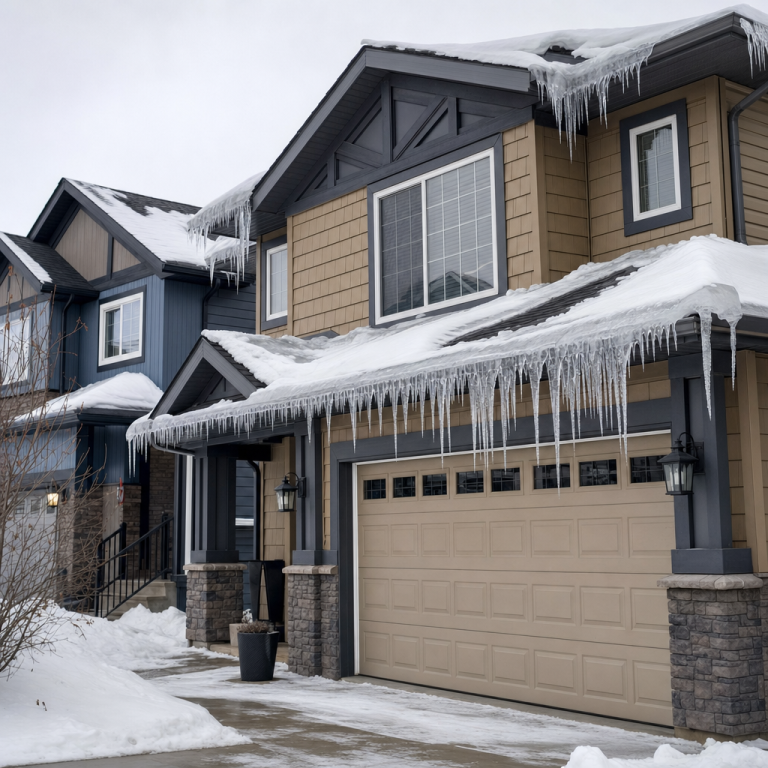
- Attics with Air Leakage Problems: If you notice ice dams on your roof edges, uneven snow melt patterns, or drafts near ceiling fixtures, air leakage is likely occurring. Professional attic insulation services combine air-sealing with blown-in installation to address both issues simultaneously.
- Irregular Joist Spacing: Many homes have joists spaced at non-standard intervals or attics with varying ceiling heights. Blown-in insulation accommodates these variations without custom cutting or fitting.
- Time-Constrained Homeowners: Professional installation takes 4-6 hours, and you can use your home normally during and immediately after installation.
When Batt Insulation Makes Sense
Batt insulation provides better value in specific circumstances:
- New Construction or Recent Renovations: Homes with clean, accessible attics, standard joist spacing, and minimal obstacles allow proper batt installation. New construction offers the ideal environment because installers can place batts before ductwork and electrical systems complicate the space.
- Budget-Focused Projects: If professional attic insulation costs exceed your budget and you have moderate DIY skills, batts offer a more manageable self-installation option. However, be realistic about achieving proper coverage – improper installation negates any cost savings through reduced thermal performance.
- Future Attic Access Needs: Homeowners planning to access their attic regularly for storage or maintenance may prefer batts. Walking on blown-in insulation compresses the material and creates permanent low spots that reduce effectiveness.
Decision Matrix for Calgary Homeowners
| Your Situation | Recommended Type | Key Reason |
| Home built before 2000 | Blown-in | Better coverage around obstacles |
| New construction | Batts | Clean installation environment |
| Ice dam issues | Blown-in | Allows combined air-sealing |
| Standard joist spacing | Either | Both work well |
| DIY installation | Batts | No equipment needed |
| Irregular attic layout | Blown-in | Seamless coverage |
| Professional required | Blown-in | Better ROI with expert install |
Questions to Ask When Hiring Contractors
If you decide on professional installation, residential attic insulation contractors should answer these questions clearly:
- What air-sealing approach do you use before adding insulation?
- How do you calculate the amount of material needed to achieve target R-values?
- Do you assist with Alberta rebate applications and inspections?
- What warranty covers your installation workmanship?
- How do you protect existing electrical wiring and ensure proper ventilation clearances?
- Can you provide references from Calgary homeowners with similar projects?
Reputable contractors provide detailed written quotes, explain their installation process, and discuss how they’ll protect your living spaces from dust and debris during installation. Eco Attic Solutions does thermal imaging analysis and provides detailed project proposals for every Calgary homeowner we work with.
Why Insulation Alone Isn’t Enough
Many Calgary homeowners discover that adding insulation doesn’t solve all their comfort and energy problems. Three interconnected systems work together to create an efficient attic: air-sealing, insulation, and ventilation.
The Three-Part System
- Air-Sealing: Before adding any insulation, contractors should seal air leakage paths. Common leak points include recessed lights, plumbing penetrations, electrical boxes, and gaps around chimneys. Even R-60 insulation performs poorly if warm air flows through unsealed gaps into your attic.
- Insulation: After air-sealing, the insulation layer provides thermal resistance. This barrier slows heat transfer between your heated living space and the cold attic. Both blown-in and batt insulation serve this purpose when installed properly.
- Ventilation: Calgary’s cold winters create conditions for moisture problems if attics lack proper ventilation. Warm, moist air from bathrooms, kitchens, and living spaces can migrate into attics. Without adequate ventilation, this moisture condenses on cold roof sheathing, potentially causing mould growth or wood rot.
Building-code ventilation rules require balanced intake (soffits) and exhaust (ridge/roof) ventilation. The common code basis is 1/150 net free ventilating area (unless an exception applies, in which case 1/300 net free area may be permitted when certain conditions, such as a vapour retarder, are present). Check the National Building Code – Alberta Edition or manufacturer guidance for project-specific requirements.
Get Professional Residential Attic Insulation with Eco Attic Solutions Inc.
Whichever material fits your home, our residential attic insulation in Calgary service starts with an inspection, air sealing, and a written R-60 plan — not a one-size quote.
Upgrading your attic insulation represents one of the most cost-effective home improvements available to Calgary homeowners. Whether you choose blown-in or batt insulation, proper installation with attention to air-sealing and ventilation delivers measurable comfort improvements and energy savings.
At Eco Attic Solutions, our approach combines air-sealing, properly installed insulation, and ventilation verification. This system-based method prevents the moisture problems, comfort issues, and underperformance common with insulation-only upgrades. We use formaldehyde-free blown-in fibreglass and follow strict protocols to protect your living spaces during installation.
Why Calgary Homeowners Choose Our Services
- Local Experience: We understand Calgary’s climate challenges, building code requirements, and the construction methods used in homes built from the 1950s through today. This knowledge helps us address specific issues common to different home vintages.
- Complete Solutions: Beyond insulation installation, we identify and resolve air leakage paths, verify adequate ventilation, and coordinate with electrical contractors when modifications to ceiling fixtures are needed.
- Rebate Support: We guide homeowners through Canada Greener Homes Grant applications, EnerGuide evaluations, and provincial incentive programs. Our documentation meets all requirements for post-upgrade inspections.
- Workmanship Standards: Every installation includes detailed before-and-after photos, R-value verification measurements, and a 12-month workmanship warranty. We protect floors, furniture, and belongings throughout the project and perform thorough cleanup.
Service Areas
As residential insulation specialists in Calgary, we serve the city and surrounding communities, including Airdrie, Okotoks, Cochrane, Chestermere, High River, Strathmore, and Crossfield. Our trucks operate throughout the region, allowing us to schedule projects efficiently and respond quickly to homeowner questions.

Take the Next Step
Contact Eco Attic Solutions at (403) 990-9033 or admin@ecoatticsolutions.com for a free attic evaluation and detailed quote. We’ll evaluate your current insulation levels, identify air leakage issues, check ventilation adequacy, and recommend the most cost-effective upgrade path for your home.
Schedule your inspection online or call during business hours to discuss your project. Most evaluations take 45-60 minutes, and you’ll receive a detailed written proposal within 24 hours outlining scope, costs, timeline, and expected energy savings specific to your home.