You just got your October natural gas bill and your jaw dropped. The furnace has been running almost constantly, and no matter how high you set the thermostat, the upper floor stays stubbornly chilly. Then a neighbour mentions they had their attic insulation upgraded back in September — and their heating bill dropped by nearly a third. Now you’re asking yourself: did I miss the window? When is the right time to upgrade your Calgary attic insulation?
Quick Answer
The best time to upgrade attic insulation in Calgary is late summer to early fall (August–October). Mild temperatures allow for efficient installation before the heating season, so you save on your very first natural gas bill. Spring (March–May) is the second-best window. Installations can also be completed in winter with the right materials and a qualified crew.
Why Seasonal Timing Matters More in Calgary Than Almost Anywhere Else
Calgary’s Climate Zone 7A designation puts it in an extreme cold category — average January lows hover around -15°C, and cold snaps regularly plunge past -30°C. On the flip side, summer temperatures can exceed 30°C. That 60-degree swing is larger than almost anywhere else in Canada, which means your attic insulation is working hard year-round, not just in winter. Timing your upgrade to happen before the season that stresses your home the most can mean the difference between immediate energy savings and waiting another 12 months to feel the benefit.
According to Natural Resources Canada’s “Keeping the Heat In” guide, attic heat loss and air leakage account for a substantial share of a typical Canadian home’s energy waste — and the fix begins and ends with proper insulation depth and air sealing. Every week you delay past the ideal window is a week you’re paying for heat that’s escaping through your ceiling. The Alberta Building Code requires R-60 (RSI 10.43) in attic ceilings, and most Calgary homes built before 2000 fall well short of that target.
Beyond energy costs, timing also affects contractor availability and sometimes pricing. Calgary’s construction industry follows predictable demand cycles. Knowing when to book means you get the crew — and the careful installation — that the job deserves. Think of it like booking a furnace tune-up: homeowners who call in August get faster service and better rates than those who call on the first cold snap in November.
Is Fall Really the Best Season to Insulate Your Calgary Attic?
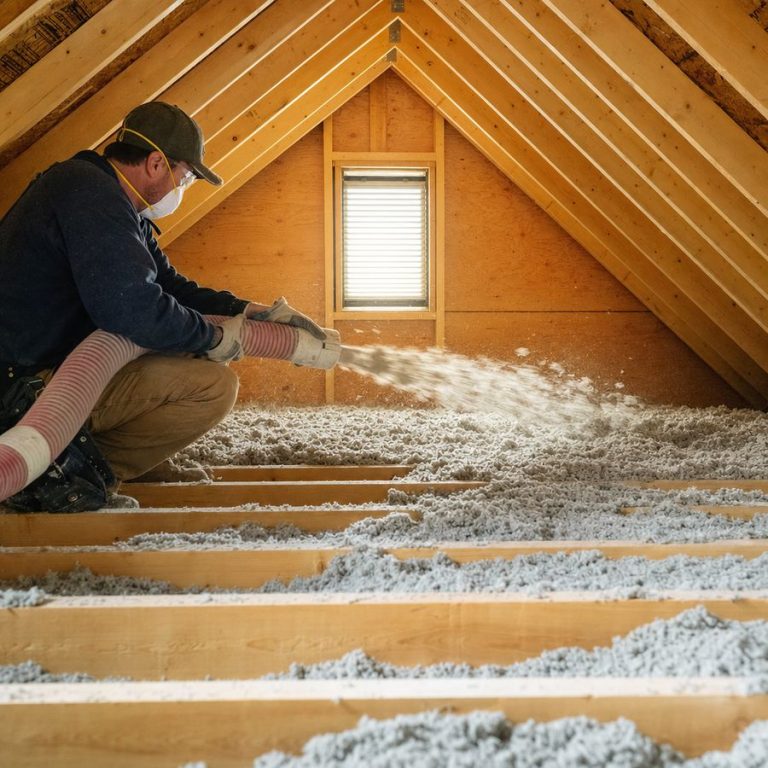
For most Calgary homeowners, late August through October is the sweet spot. Attic temperatures in September and October are mild — cool enough to work efficiently, yet warm enough that materials settle and cure properly. Blown-in cellulose and fiberglass both perform best when installed in moderate ambient temperatures; extreme cold can cause cellulose to clump and fiberglass to become stiff, making even coverage more difficult to achieve.
Fall is also strategically sound from a financial perspective. When you complete your attic insulation upgrade before the November heating season begins, you see the savings on your very next utility bill — sometimes 20–30% depending on how far below code your existing insulation was. A September install means you’re generating return on investment by Halloween. Waiting until January means you’ve already paid for a full season of inefficient heating.
Contractor availability is another factor in fall’s favour. By October, the summer construction rush has wound down but the winter slowdown hasn’t yet begun, which usually means faster booking windows and competitive pricing. Calgary’s hail season (roughly May through August) can also push some exterior work back, so fall represents a natural clearing in contractor schedules. Book early — many of the best crews fill their September and October calendars by mid-August.
What Happens If You Wait Until Winter? Can You Still Insulate at -30°C in Calgary?
Winter installations aren’t impossible in Calgary — in fact, attic insulation work is largely unaffected by outdoor cold because crews are working inside an attic space, not on a roof or exterior wall. Blown-in cellulose and fiberglass loose-fill can both be installed year-round, and many Calgary homeowners who realize mid-December that their heating bills are out of control successfully schedule January or February upgrades. The insulation goes in, the air sealing gets done, and the furnace immediately has less work to do.
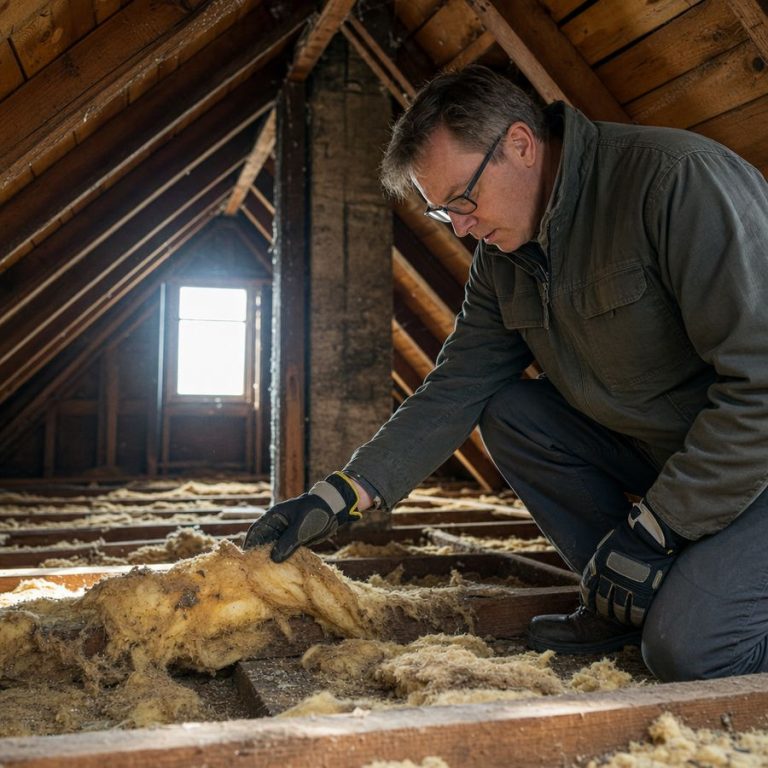
That said, there are practical trade-offs in winter. If significant attic insulation removal is needed before new material goes in — say, because of moisture damage or pest contamination — winter access can be more cumbersome. And if spray foam is part of the plan, most two-part spray foam products require ambient temperatures above roughly -5°C for proper expansion and adhesion. For a straightforward blown-in upgrade on an existing, dry attic, winter is generally not a problem at all.
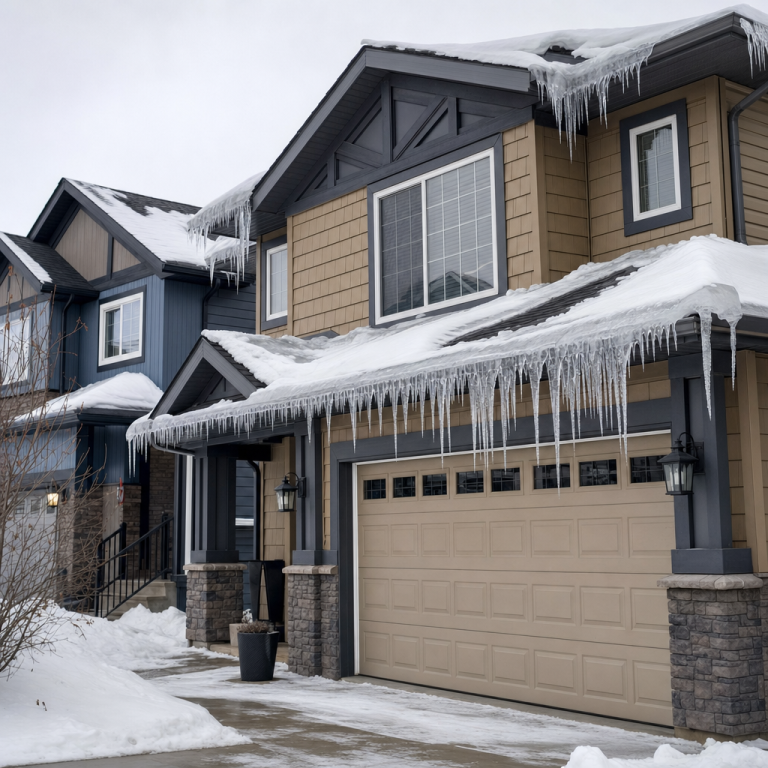
One important caveat: do not wait until you see visible ice dams forming before you call. Ice dams — ridges of ice at the roof edge caused by warm attic air melting snow that then refreezes at the cold eaves — are both a symptom of poor insulation and a cause of serious water damage. By the time dams are visible, the winter damage clock is already ticking. Review our attic insulation FAQ for more on ice dam prevention and what warning signs to watch for inside your home.
Spring Upgrades: Still Worth It — and Often Underrated
Spring — roughly March through May in Calgary — is the second-best window for attic insulation upgrades, and it is significantly underrated by homeowners. Once February’s brutal cold passes, attic temperatures moderate and conditions for installation return to optimal. More importantly, a spring upgrade means your home is fully protected going into Calgary’s increasingly warm summers. A well-insulated attic doesn’t just keep heat in during winter; it keeps radiant heat out during summer, reducing your air conditioning load and keeping upper-floor rooms comfortable when outside temperatures climb past 30°C.
Spring is also the ideal time to catch problems that winter may have revealed. After a full Calgary heating season, moisture issues, condensation staining, or signs of frost in the attic become visible once temperatures rise. A spring inspection can identify whether moisture has compromised existing insulation — a wet or compressed batt is doing almost nothing — and whether attic ventilation needs to be addressed alongside the insulation upgrade. These two systems work together, and spring is the natural time to assess and repair both at once.
Summer Attic Insulation: Possible, But Know the Trade-offs
Summer installations — June through August — are certainly possible, and many Calgary homeowners choose this window because they’re home more and it’s easier to coordinate access. However, there are real trade-offs. Attic temperatures in a Calgary home can reach 55–70°C on a July afternoon, making working conditions challenging for crews. Most reputable insulation contractors schedule summer attic work for early morning starts, finishing before the attic becomes dangerously hot. This can limit daily production slightly.
There’s also Calgary’s notorious hail factor. The city averages roughly 7–10 significant hail events per year, and any outdoor work component — ventilation upgrades, roof vent installations — can be disrupted by weather delays. For a straightforward blown-in upgrade where all work is inside the attic, summer timing works fine. If you’re combining insulation with ventilation or exterior roofing work, fall remains the safer bet for scheduling predictability.
| Season | Conditions | Pros | Cons |
|---|---|---|---|
| Fall (Aug–Oct) | Mild, dry | Ideal temps; savings before heating season; good availability | Books up fast — act early |
| Spring (Mar–May) | Mild, post-winter | Good temps; catch winter damage; prep for summer heat | Wet weather possible; occasional mud |
| Summer (Jun–Aug) | Hot, busy season | Convenient for homeowners; crews widely available | Hot attic; hail disruptions; occasional premiums |
| Winter (Nov–Feb) | Cold, slower | Immediate savings; usually quick booking | Complex jobs deferred; spray foam temp limits |
Does the Season Affect the Cost of Attic Insulation in Calgary?
Modestly, yes. Like most trades, attic insulation has seasonal demand patterns. Summer — driven by new construction and the renovation season — tends to be the busiest and occasionally the priciest window. Fall and spring typically offer the best combination of pricing and fastest response times. Winter work is generally promptly available, and some contractors offer slight discounts to keep crews productive through the slow season. The difference is usually not dramatic — a project quoted at $2,500 in September is unlikely to be $3,500 in July — but in a competitive Calgary market, it’s worth getting your quote outside the peak window.
What affects cost far more than timing is the scope of work: whether old insulation needs to be removed before new material goes in, the size of the attic, the current R-value, and whether air sealing and ventilation upgrades are included. For a deep dive on what projects typically cost, see our article on the cost of blown-in attic insulation in Calgary.
How Do Alberta Insulation Rebates Affect Your Timing Decision?
This is a factor many Calgary homeowners overlook until it’s too late. Federal and provincial programs — including the Canada Greener Homes Initiative and any active Alberta counterparts — have application windows, funding caps, and sometimes pre-approval requirements that reward homeowners who plan ahead. Rebate programs for attic insulation have historically required a pre-installation energy audit before work begins, meaning you cannot install first and claim later. If your goal is to maximize the financial return on your upgrade, building your timeline around the rebate process is smart planning.
Rebate funds can also be exhausted mid-year when programs are popular, so submitting your pre-installation audit application in spring positions you well for a fall installation and a rebate cheque before year-end. For up-to-date rebate information relevant to Calgary homeowners, see our 2026 Calgary guide to attic insulation rebates and financing. You can also check Natural Resources Canada’s energy efficiency resources for national program updates, and the City of Calgary’s home energy savings page for any local incentive programs running in your municipality.
Frequently Asked Questions
When is the absolute best time to schedule attic insulation in Calgary?
Late summer to early fall — specifically August through October — is the optimal window for Calgary homeowners. Mild attic temperatures make for efficient installation, contractor availability is good, and completing the upgrade before November means your very first heating bills of the season reflect the improvement. Book early, as September and October calendars fill quickly with Calgary’s attic insulation contractors.
Can attic insulation be installed in winter in Calgary when it’s -30°C outside?
Yes, in most cases. Blown-in cellulose and fiberglass loose-fill can be installed year-round because the work happens inside the attic envelope, not outdoors. Spray foam has a temperature minimum around -5°C ambient, so spray-foam jobs may need milder conditions. A straightforward blown-in top-up or full upgrade can proceed in Calgary’s winter without issue and begins saving energy immediately.
Does timing affect how much attic insulation costs in Calgary?
Modestly. Fall and spring typically offer the best combination of pricing and contractor availability in Calgary. Summer is busier and can command slight premiums. Winter is usually promptly scheduled and sometimes discounted. Project scope — square footage, current R-value, whether removal is needed — affects cost far more than the season in which you book.
How long does attic insulation installation take in Calgary?
Most residential attic insulation upgrades in Calgary are completed in a single day — typically four to eight hours depending on attic size and complexity. If old insulation needs to be removed first, the project may extend into a second day. Air sealing work, when included, adds time but delivers significant additional energy savings alongside the new insulation.
Should I wait for a rebate before upgrading my Calgary attic insulation?
Don’t wait indefinitely — rebate funds can be exhausted, and every month of delay means more wasted energy costs. Apply for pre-approval early in the year and plan installation for fall. If rebates are unavailable, Eco Attic Solutions offers flexible financing with up to six months deferred payment, so you can start saving immediately without upfront cost pressure.
How Eco Attic Solutions Helps Calgary Homeowners Get the Timing Right
Whether you’re booking a fall upgrade, a spring catch-up, or an emergency winter job, Eco Attic Solutions makes the process straightforward for Calgary homeowners. With 780+ Calgary customers, our team has completed attic insulation upgrades across every neighbourhood and season. We use eco-friendly blown-in and batt insulation materials engineered for Climate Zone 7A performance, and every project comes with our 12-Month Workmanship Guarantee — if anything isn’t right after we leave, we make it right at no cost to you.
We offer free, no-obligation quotes with a site assessment that tells you exactly where your attic stands today — current R-value, air sealing condition, ventilation status — so you can make an informed decision about scope and timing. Flexible financing with up to 6 months deferred payment means you don’t need to wait until you’ve saved a lump sum to start saving on energy bills right now. For questions about scheduling, materials, or rebate timing, visit our FAQ page or contact us online. You can also call us directly at (403) 990-9033 — we’re here to help you find the perfect time to get comfortable and start saving.