A Chinook rolled into Calgary overnight, the temperature jumped from -28°C to +4°C, and now a brown stain is spreading across the upstairs ceiling and water is dripping from the bathroom fan. Your first thought is a roof leak. In most Calgary homes it is not. This is attic rain: a week of household moisture that froze to the underside of your roof and is now melting all at once. The good news is that it is a humidity, air sealing and insulation problem, and all three can be fixed.
Quick Answer
Attic rain in Calgary happens when warm, humid indoor air leaks into a cold attic during a -20°C to -30°C stretch, freezes as frost on the roof sheathing, then melts and drips through the ceiling when a Chinook arrives. Stop it by lowering indoor humidity, venting exhaust fans outdoors, air sealing the ceiling, and topping attic insulation up to R-60.
What is attic rain, and why does it happen so often in Calgary?
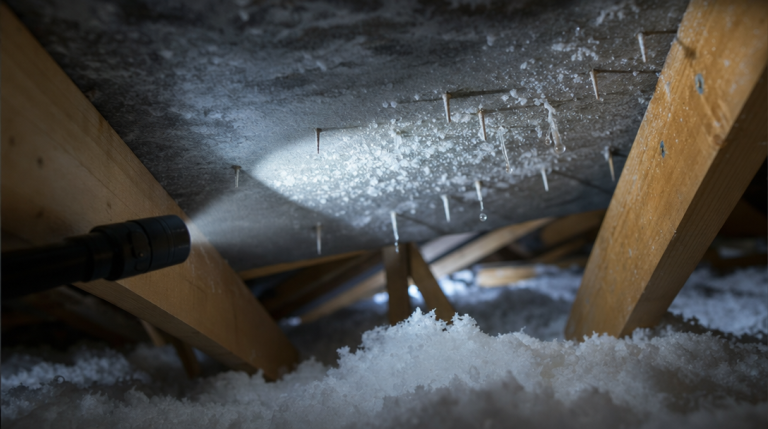
Attic rain is condensation, not a roof failure. Every shower, pot of pasta and load of laundry adds water vapour to the air in your home. In winter that warm, moist air rises, slips through small gaps in the ceiling and reaches an attic sitting at -25°C. When it touches the cold roof sheathing, the vapour turns to frost. Over a long cold snap that frost builds into a thick white coating across the roof deck, with tiny icicles on every nail tip.
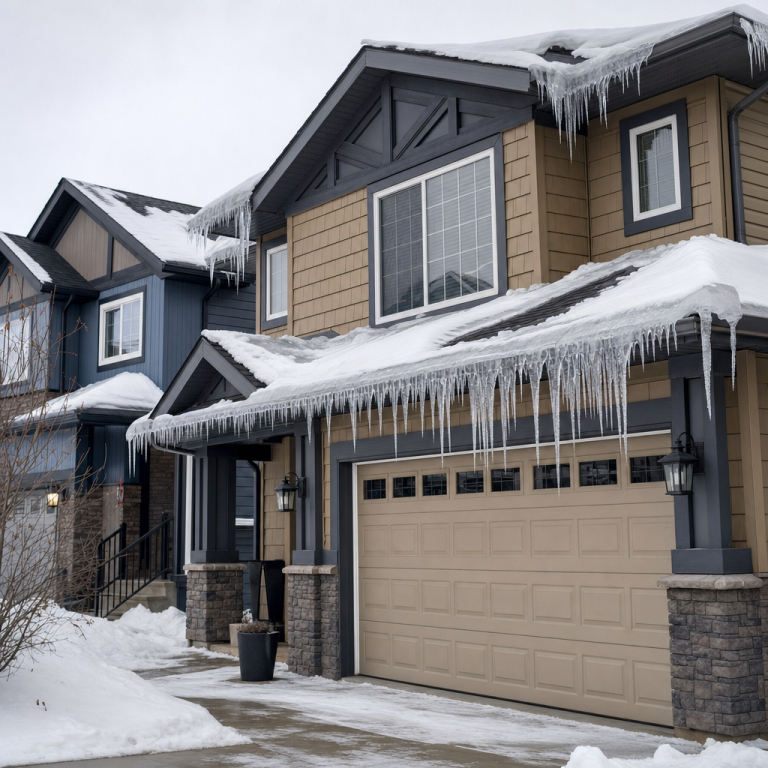
As long as it stays cold, nothing happens. Then a Chinook arrives, the attic warms above freezing in a few hours, and all of that frost melts at once. Water drips onto the insulation and shows up as ceiling stains, wet pot lights or drips from the bathroom fan grille. Roofers interviewed by CBC Calgary during the January 2024 cold snap described exactly this pattern: swings from -30°C to +5°C in two days triggering dozens of distress calls in a single week.
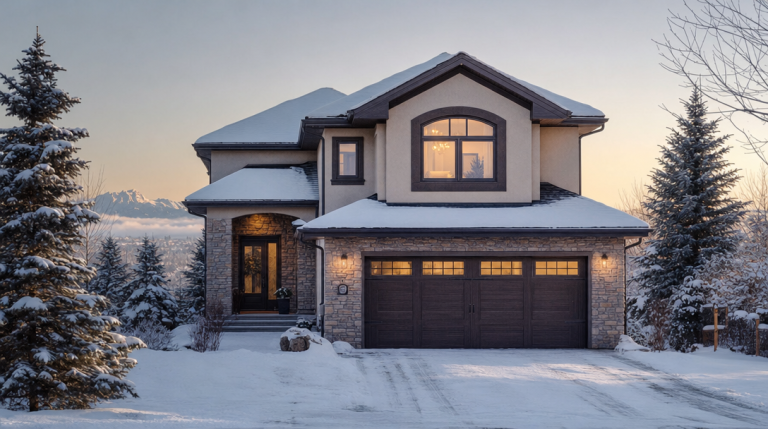
Calgary is Climate Zone 7A, and our winters supply both ingredients attic rain needs: extended deep cold to build the frost and sudden Chinook warm-ups to melt it. Newer, tighter homes are especially prone because they hold humidity far better than a draughty 1970s bungalow, so a few unsealed ceiling penetrations become the main exits for a houseful of moisture, straight into the attic.
Where does the moisture in your attic actually come from?
Showers, laundry, cooking, dishwashers and the furnace humidifier add water vapour to your home every day. Health Canada’s guide to addressing moisture and mould indoors recommends keeping indoor relative humidity between 30% and 50%, running the bathroom fan for at least 30 minutes after every shower, and venting every exhaust fan outdoors rather than into the attic.
Moisture reaches the attic in two ways. Diffusion through the ceiling is slow, which is why Alberta homes have a polyethylene vapour barrier. Air leakage is fast: warm air pouring through the attic hatch, around pot lights, along plumbing stacks and through unsealed top plates and fan housings. Indoor air at 21°C holds far more water than air at -25°C, so every litre that leaks upward leaves its moisture behind as frost. Natural Resources Canada’s Keeping the Heat In guide identifies air leaks as the dominant route for both heat and moisture into a Canadian attic. The worst offender we find is a bathroom or dryer duct that was never connected to a roof hood, so the fan pumps steam straight onto the sheathing.
Is it attic rain or a roof leak? How to tell the difference
From the living room the two look identical, so use timing and location. Attic rain appears during a sharp warm-up after a cold spell, often in several rooms at once. A roof leak follows rain, hail or wet snow and shows up in one spot.
| Clue | Attic rain | Roof leak |
|---|---|---|
| Timing | Chinook or thaw after a -20°C or colder stretch | During or after rain, hail or wet snow |
| Location | Several spots: pot lights, bathroom fans, attic hatch | One spot below a valley, chimney, skylight or flashing |
| Attic | Frost or wet sheathing over a wide area, frosty nail tips | A single water trail from one point on the roof deck |
| Windows | Heavy condensation or frost inside the glass during the cold snap | No connection |
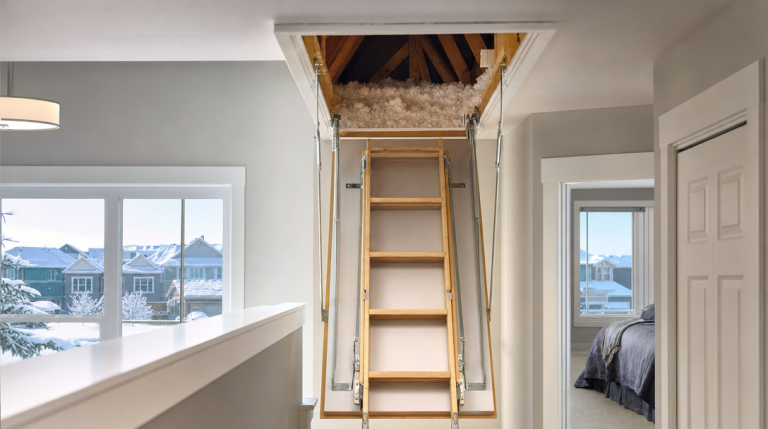
You can confirm it yourself in ten minutes. After a few days below -15°C, open the attic hatch and look up with a bright flashlight without climbing in. Frost on the sheathing or white fuzz on the nail points means moisture is getting up there, and the thickest patch usually sits right above the leak. Our attic insulation FAQ covers what a healthy attic should look like in winter.
How do you stop attic rain in a Calgary home?
Attic rain is the end of a chain: moisture is produced, it escapes into the attic, the attic freezes it, and the attic cannot dry out fast enough. Breaking every link solves it for good. Here is the order we recommend.
Step 1: Lower indoor humidity when it is cold outside
Buy an inexpensive hygrometer and keep it where you can see it. During a Calgary deep freeze aim for about 30%, and go lower if windows are still fogging. Home inspectors quoted by CBC recommend turning the furnace humidifier down to 10% or off once temperatures drop to -25°C. Run the bathroom fan for 30 minutes after every shower, use the range hood when you cook and keep lids on pots.
Step 2: Make sure every exhaust duct ends outside
Every bathroom fan, kitchen hood and dryer duct should connect to a proper roof or wall hood with a working damper. Ducts should be insulated, short and sloped so condensation drains back instead of pooling and freezing. A duct dumping into the insulation is one of the most common faults we find during an attic ventilation assessment.
Step 3: Air seal the ceiling plane
This is the step most homeowners skip, and it matters most. Every pot light, plumbing stack, electrical box, interior wall top plate and the attic hatch is a gap where house air can rise. Sealing them with foam, caulking, gasketed covers and weatherstripping dramatically cuts the moisture reaching the roof deck. Up to 25% of a home’s heat can escape through a leaky, under-insulated attic, and moisture rides along with that heat.
Step 4: Insulate to the Alberta standard of R-60
Insulation keeps the roof deck cold, which sounds backwards until you remember the goal is to keep house heat and moisture out of the attic. The National Building Code Alberta Edition calls for R-60 (RSI 10.43) in attic ceilings, roughly 16 to 20 inches of blown-in material. Many Calgary homes built before 2010 have R-30 or less, and 1970s and 1980s homes often have 6 to 8 inches of settled insulation. A professional top-up through our residential attic insulation service brings the whole ceiling to code and fixes the thin spots along the eaves where frost forms first.
Step 5: Give the attic a way to breathe
Even a well-sealed attic takes on a little moisture, so it needs balanced ventilation to dry out: clear soffit intakes, baffles that keep insulation off them, and enough roof or ridge exhaust to move air through. Ventilation alone rarely stops attic rain because it cannot keep up with leaking house air, but paired with air sealing and R-60 it keeps the sheathing dry between cold snaps.
What should you do if your ceiling is already dripping?
Do not open the attic hatch to “let it dry out.” That sends another wave of humid air upstairs and makes the next freeze worse. Put a bucket under the drip, turn the humidifier off, run the exhaust fans and crack a window briefly. If water is coming through a light fixture, switch off that circuit at the breaker. Take photos: most Alberta insurers treat attic rain as a maintenance issue, so documentation matters if you claim.
Then assess the insulation. A light melt that dampens the surface usually dries once the attic is sealed and ventilated. Soaked, matted or stained insulation is different: it loses most of its R-value, compresses permanently and can grow mould within days, so it should come out. Our attic insulation removal service vacuums out the damaged material and inspects the ceiling before new insulation goes in.
Frequently Asked Questions
What causes attic rain in Calgary homes?
Attic rain is caused by warm, humid indoor air leaking into a cold attic, freezing on the roof sheathing during a cold snap, then melting and dripping when a Chinook warms the attic. Calgary sees it more than most cities because winters swing from -30°C to above freezing within days, and newer airtight homes trap humidity.
How much does it cost to fix attic rain in Calgary?
Fixing attic rain in Calgary typically ranges from a few hundred dollars for exhaust duct repairs and air sealing to several thousand for a full air seal and R-60 insulation top-up, depending on attic size and existing insulation. Removing soaked insulation adds to the cost. Eco Attic Solutions provides free quotes and financing up to 6 months deferred.
What humidity should my Calgary house be in winter to prevent attic rain?
Keep indoor relative humidity near 30% in normal Calgary winter weather, and lower it further, even turning the furnace humidifier off, when temperatures fall to -25°C or colder. Health Canada recommends 30% to 50% for health, but the low end is safer for your attic and windows in deep cold. A $20 hygrometer makes this easy to track.
Does adding attic insulation stop attic rain?
Insulation helps, but only combined with air sealing. Insulation keeps the attic cold and the house warm, but if warm air still leaks through pot lights and the hatch, moisture keeps reaching the sheathing. A proper fix seals the ceiling first, then tops insulation up to R-60 and confirms attic ventilation is balanced.
How Eco Attic Solutions Helps
Eco Attic Solutions has helped more than 780 Calgary homeowners and businesses keep heat and moisture out of their attics. It starts with a free, no-obligation attic assessment: we check for frost, test the exhaust ducts, find air leaks, measure insulation depth and confirm the venting works. Then you get a clear written plan, from an air seal and top-up to R-60 to a full removal and replacement after a bad melt.
Every job is backed by our 12-Month Workmanship Guarantee, we offer eco-friendly insulation options, and financing with up to 6 months deferred means you do not have to wait for spring. If you have seen frost in the attic or a stain after the last Chinook, call (403) 990-9033 or request your free quote online and we will get your attic ready before the next deep freeze.