Picture this: it’s a July afternoon in Calgary, the thermometer has climbed to 34°C, and your air conditioner has been running non-stop since 10 a.m. By the time you get your utility bill, you’re staring at a number that makes your jaw drop. You’ve checked the windows, you’ve checked the doors — but did you check the attic? For thousands of Calgary homeowners, the attic is the single biggest source of summer heat gain, and it’s a problem that most people never even think to investigate. If your upstairs rooms feel stuffy regardless of how cold you set the thermostat, or if your AC seems to run forever without ever truly cooling your home, your attic insulation is the most likely culprit.
How an Attic Becomes a Solar Oven — and Why That Matters
During a Calgary summer, your roof can absorb enough solar radiation to heat the attic space to temperatures between 60°C and 70°C (140–160°F). That’s not a typo. Even on a modest 28°C afternoon, a poorly ventilated, under-insulated attic can turn into an enormous heat sink sitting directly above your living space. That superheated air then radiates downward through your ceiling — a process called radiant heat transfer — warming every room on your upper floor whether you like it or not.
Think of it like a cast-iron pan left in the sun. The pan absorbs heat all day and stays warm long into the evening. Your attic works exactly the same way. By 8 p.m., when you finally want to cool down, your attic is still releasing hours’ worth of stored heat into your home. Your air conditioner fights against this invisible load around the clock, consuming electricity and wearing itself out far faster than it should.
According to the City of Calgary’s climate-ready insulation guidance, proper insulation “reduces both heating and cooling costs and improves comfort” — and the attic ceiling is the most critical layer to address. Natural Resources Canada estimates that up to 25% of a home’s heat loss and gain occurs through the roof and attic, making it the single highest-impact area for energy improvements in Canadian homes.
Calgary’s Climate Makes Summer Insulation Even More Important
Calgary sits in Climate Zone 7A, which most people associate with brutal -30°C cold snaps and ground-level blizzards. What’s less discussed is that Zone 7A summers are hot, sunny, and intense. Calgary receives more hours of sunshine annually than any other major Canadian city — including cities much farther south. That intense UV and solar radiation beats down on your roof relentlessly from May through September, and without adequate attic insulation, every one of those sunlight hours translates directly into higher indoor temperatures and higher energy bills.
Calgary also experiences rapid temperature swings thanks to Chinook winds — warm, dry air masses that can push January temperatures from -20°C to +15°C in a matter of hours. These extreme fluctuations stress insulation materials over time, causing settling and compression that reduces thermal resistance. An R-value that was acceptable when your home was built 20 or 30 years ago may be delivering far less protection today than the label suggests.
The National Building Code Alberta Edition now mandates a minimum of R-60 (RSI 10.43) in attic ceilings for new construction. Many Calgary homes built before 2010 have attic insulation rated at only R-12 to R-20 — a fraction of what’s needed to keep summer heat out. Upgrading from R-20 to R-60 can reduce annual heating and cooling costs by 15–30%, with Calgary homeowners often reporting annual savings of $400 to $800.
Signs Your Attic Is the Source of Your Summer Discomfort
Rooms That Won’t Cool Down
The most obvious sign is a top-floor bedroom or hallway that stays uncomfortably warm no matter how long the AC runs. Heat radiating from an overloaded attic can raise the temperature of rooms directly below it by 5–10°C compared to the rest of the house. If you have young children or elderly family members trying to sleep up there, this isn’t just a comfort issue — it’s a genuine health concern during Calgary’s hottest weeks.
Many homeowners try to solve this by closing vents or adding window air conditioners in individual rooms. These are band-aid fixes. The source of the problem — heat radiating through a thermally deficient attic ceiling — continues unaddressed. No amount of thermostat adjustment compensates for a ceiling that’s acting as a giant heating element. The only real fix is bringing your attic’s thermal performance up to the standard it should meet.
Your AC Runs Non-Stop
An air conditioner is sized to handle a specific cooling load based on your home’s square footage, window area, and — critically — the thermal performance of your roof and attic. When the attic pumps a constant stream of heat through your ceiling, the AC must work beyond its designed capacity. This not only drives up your electricity bill month after month; it also shortens the life of your AC unit significantly. Replacing a central air conditioner typically costs $4,000–$8,000. Replacing your attic insulation for a fraction of that cost can protect your AC and keep it running efficiently for years longer.
A well-insulated attic gives your air conditioner the right conditions to do its job properly: the indoor load stays manageable, cycle times are reasonable, and the equipment isn’t straining against a constant tide of incoming heat. Homeowners who upgrade their attic insulation consistently report that their AC cycles less frequently and their homes reach the set temperature — and hold it — far more reliably than before. Read more about the year-round financial case in our article on how residential attic insulation upgrades lower Calgary energy bills.
Attic Ventilation: The Other Half of the Equation
Insulation and ventilation work as a team, and you can’t address summer heat gain by focusing on one without the other. Even the best insulation can’t fully compensate for an attic that has no way to exhaust the hot air that builds up inside it. Proper attic ventilation — typically a combination of soffit vents at the eaves and ridge vents at the peak — allows outside air to flow through the attic space continuously, carrying away trapped heat before it can radiate into your living space below.
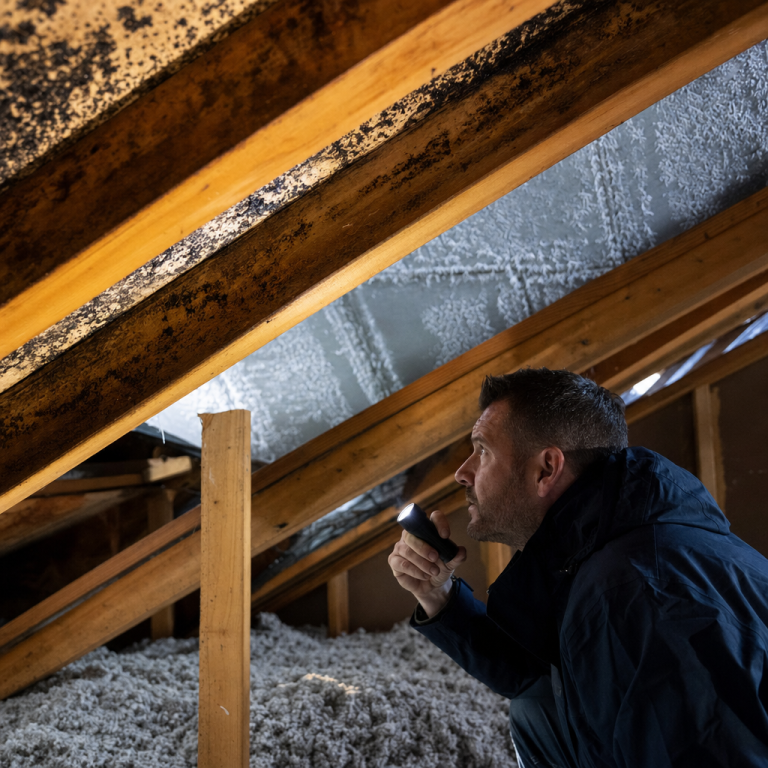
Without adequate ventilation, attic temperatures can soar 30–40°C above the outdoor air temperature on a sunny summer day. This overheating also degrades your roofing materials, shortening shingle life and voiding many roofing warranties. A properly ventilated attic keeps roof temperatures manageable, protects your shingles, reduces moisture-related problems like mold and rot in winter, and works hand-in-hand with your insulation to maintain a stable indoor environment year-round. Our Calgary attic ventilation services include a full airflow assessment to identify blockages and deficiencies in your current setup.
A commonly used guideline, referenced in Natural Resources Canada’s home ventilation guidance, calls for a minimum of 1 square foot of net free vent area for every 150–300 square feet of attic floor space. Many older Calgary homes fall well short of this standard — especially after previous insulation upgrades that inadvertently blocked soffit vents by pushing insulation too close to the eaves.
Choosing the Right Insulation for Calgary Summers
Not all insulation materials perform equally when it comes to resisting summer heat gain. Here’s how the most common attic insulation types compare for Calgary homes:
| Insulation Type | R-Value per Inch | Air Sealing? | Best For |
|---|---|---|---|
| Blown-in cellulose | R-3.2 to R-3.8 | Partial | Deep attic fill; eco-friendly, recycled content |
| Blown-in fiberglass | R-2.2 to R-2.7 | Minimal | Budget-friendly top-up over existing material |
| Spray foam (closed-cell) | R-6 to R-7 | Complete | Maximum thermal resistance + full air barrier |
| Batt insulation | R-3.0 to R-3.8 | None | Between joists in new construction or partial upgrades |
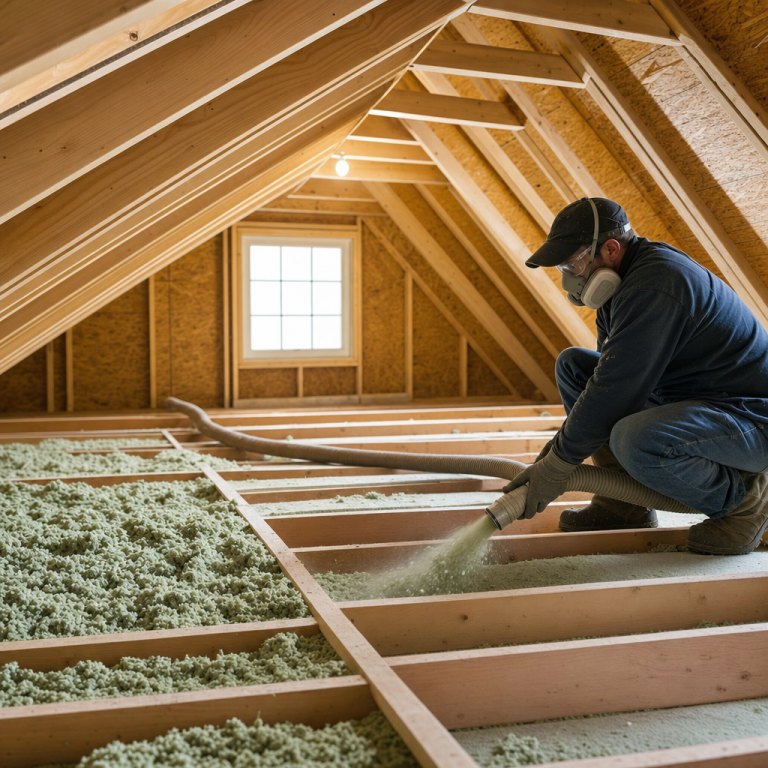
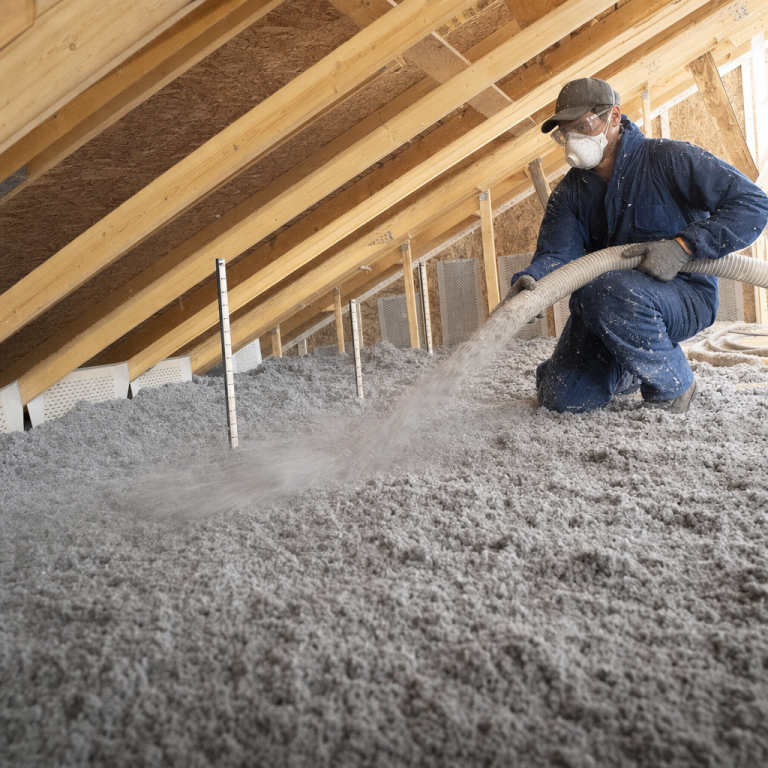
For most Calgary attics, the most cost-effective approach is a combination of thorough air sealing at penetrations and joist gaps, followed by deep blown-in cellulose or fiberglass to bring the total depth to R-60. This strategy addresses both the insulation deficit and the air infiltration that accounts for a large portion of real-world energy loss. Our in-depth comparison of blown-in insulation vs. batts for Calgary homes walks through the pros and cons of each material in detail so you can make an informed decision.
What About Rebates? Don’t Leave Money on the Table
Upgrading your attic insulation in Calgary may qualify you for significant financial incentives that reduce the out-of-pocket cost. The City of Calgary’s Home Upgrades Program offers free efficiency upgrades for income-qualified homeowners. The federal Canada Greener Homes initiative and CMHC Greener Homes Loan program provide additional support for eligible energy improvements including insulation. ATCO Gas and ENMAX have also offered rebates for residential insulation improvements, and the Canada Mortgage and Housing Corporation has expanded access to green financing in 2026.
The City of Calgary’s insulation resources page is the best starting point to confirm which programs are currently accepting applications. Many homeowners are surprised to find that, after rebates, the payback period on attic insulation upgrades is under five years — and the comfort improvements are immediate, from the very first hot day after installation. For a full breakdown of what the work costs in today’s market, see our guide on the cost of blown-in attic insulation in Calgary.
How Eco Attic Solutions Helps
At Eco Attic Solutions, we’ve helped more than 780 Calgary homeowners transform uncomfortable, energy-hungry homes into cool, efficient, and comfortable spaces — in every season. Our team specializes in residential attic insulation upgrades built for Calgary’s Climate Zone 7A extremes, using eco-friendly materials and proven installation techniques that deliver lasting results. Every project is backed by our 12-Month Workmanship Guarantee, and flexible financing is available with up to six months deferred payment so the upgrade doesn’t have to wait.
If your upstairs is roasting this summer, don’t wait until fall to address it. The sooner you bring your attic’s insulation and ventilation up to standard, the sooner you’ll see lower energy bills, a quieter air conditioner, and a home that actually stays cool when the sun is blazing. Contact us today for a free, no-obligation quote: call (403) 990-9033 or visit our contact page to book your attic assessment. Let us put the summer heat back where it belongs — outside.