Your attic insulation isn’t supposed to last forever. Like the shingles on your roof or the furnace in your basement, attic insulation has a functional lifespan — and when it starts to fail, it doesn’t wave a flag or send you an alert. Instead, it quietly drains your wallet, makes your home uncomfortable, and leaves you wondering why your heating bills just keep climbing year after year. The frustrating part? Most Calgary homeowners have no idea their insulation is failing until the problems become hard to ignore.
In a climate as demanding as Calgary’s — where temperatures can swing from -30°C in January to +30°C in July, with Chinook wind events that cycle through 20°C changes in a single day — attic insulation takes a real beating. Climate Zone 7A is one of the most thermally stressful environments for building envelopes in Canada, and insulation that might last 30 years in Vancouver may degrade meaningfully faster here. Knowing the warning signs can save you thousands in wasted energy, prevent moisture damage to your home’s structure, and get your comfort back on track.
Here are the seven most important warning signs that your Calgary home is overdue for an attic insulation inspection or upgrade.
Warning Sign #1: Your Energy Bills Keep Climbing Without a Clear Reason
If your heating and cooling costs have been trending upward over the last two or three years — even though your usage habits and utility rates haven’t changed dramatically — attic insulation is one of the first places to look. An attic that meets Alberta’s R-60 code acts like a thick thermal blanket between your living space and the weather. As insulation degrades, settles, or becomes moisture-damaged, that blanket gets thinner, and your furnace and air conditioner have to work harder to compensate.
According to Natural Resources Canada’s Keeping the Heat In guide, up to 25% of a home’s total heat loss can occur through an inadequately insulated roof. Upgrading to R-60 can reduce heating and cooling costs by 20–25% in many Calgary homes — a significant return on a relatively modest investment. If your bills suggest something is quietly bleeding energy, your attic is worth investigating before you spend money on anything else. Our guide to how insulation upgrades lower Calgary energy bills explores this relationship in more detail.
Warning Sign #2: Uneven Temperatures and Cold or Hot Spots
Walk through your home and notice the temperature differences between rooms, floors, and areas near the ceiling. A well-insulated home should maintain fairly consistent temperatures throughout — if your upstairs bedrooms are noticeably colder than the main floor in winter, or sweltering in summer while the rest of the house stays cool, the insulation above those rooms is likely underperforming.
In Calgary’s winters, cold spots often correlate directly with areas where insulation has settled, been compressed by stored boxes or old roofing materials, or was simply never installed to adequate depth in the first place. Many homes built in the 1970s and 1980s were insulated to standards as low as R-20 or R-30 — a fraction of today’s R-60 requirement — and even if the original insulation has survived, it’s nowhere near enough for current energy code or comfort expectations. Improving insulation distribution across the entire attic floor often addresses temperature complaints that homeowners had lived with for years, assuming it was “just how the house is.”
Warning Sign #3: Ice Dams on Your Roofline in Winter
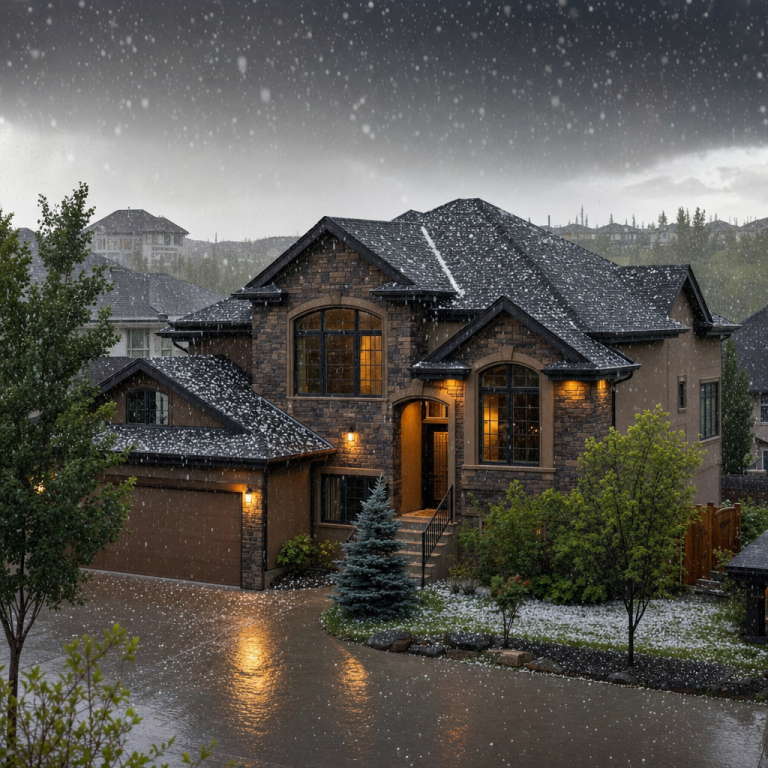
Ice dams are one of the clearest outward signs of attic insulation failure, and they’re a serious concern in Calgary, where freezing temperatures persist for months at a time. An ice dam forms when heat escaping from your living space warms the roof deck, causing snow to melt and run down toward the cold eaves — where it refreezes into a solid mass of ice. As ice accumulates, it backs up under shingles and forces meltwater into your roof structure, attic, and eventually your walls and ceilings.
If you’ve ever seen those dramatic icicle formations hanging off Calgary roofs in February, you’re looking at a symptom of heat escaping through an inadequately insulated attic. The fix isn’t just aesthetic — ice dams can cause significant structural damage, from rotting roof sheathing to ruined drywall and even mold growth inside walls. The root cause is almost always inadequate insulation and/or poor attic ventilation. Our attic ventilation services address both sides of the equation, and a residential attic insulation upgrade to R-60 almost always eliminates recurring ice dam problems.
Warning Sign #4: Frost, Moisture, or Mold in the Attic Space
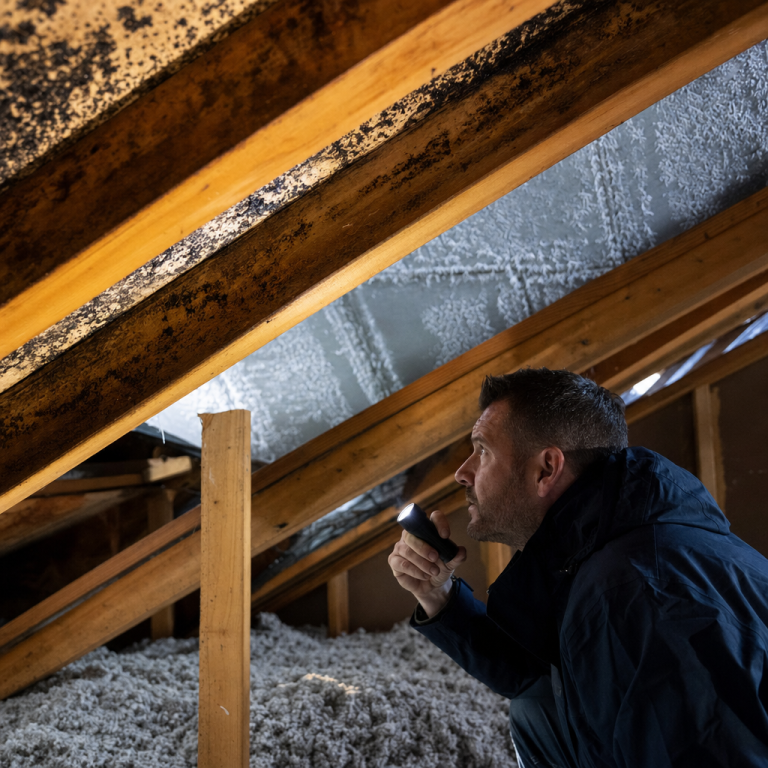
This one requires actually looking into your attic — a quick check with a flashlight through the access hatch is usually enough to spot the signs. In winter, warm moist air from your living space rises and can enter the attic through gaps around pot lights, plumbing stack penetrations, exhaust vents, and the attic hatch itself. When this warm air meets the cold roof deck, moisture condenses and eventually freezes into frost. Over time, this moisture cycle promotes mold growth on roof sheathing and rafters, which can compromise both air quality and structural integrity.
Moisture problems in the attic almost always signal two combined issues: inadequate insulation and air sealing deficiencies. Simply adding more insulation on top of existing wet or moldy material isn’t the answer — in those cases, the old material needs to come out first. Eco Attic Solutions offers professional attic insulation removal followed by fresh installation, ensuring your attic starts clean and dry before new material goes in. If you’ve noticed any musty smell coming from your attic hatch, or can see dark staining on wood surfaces during your inspection, don’t delay — moisture damage gets significantly worse over time.
Warning Sign #5: Your Insulation Is Visibly Thin, Compressed, or Damaged
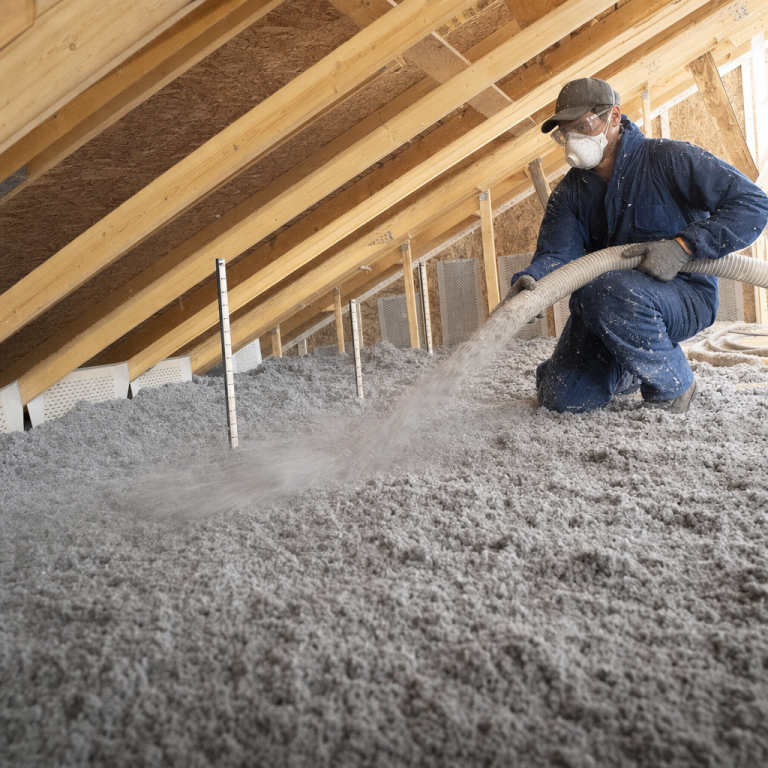
Insulation loses R-value when it’s compressed, wet, or simply too thin. For blown-in insulation to reach R-60 in a Calgary attic, you need approximately 14–18 inches of settled material, depending on type. Fiberglass batts at R-60 need to be uncompressed and installed without gaps or voids. Grab a ruler the next time you look into your attic hatch and take a measurement — if you’re seeing 6 or 8 inches of old, flattened material, you’re likely operating at R-20 or less, which is roughly a third of the Alberta code requirement.
Compression is especially common in attics where boxes, seasonal storage, or old equipment has been placed directly on the insulation — a very common habit that can severely degrade performance in specific areas. Even modest compression — say, reducing blown-in insulation from 16 inches to 10 inches — can cut the R-value by 30–40% in that zone. This creates a “thermal short circuit” where heat preferentially flows through the compressed areas, creating cold spots and driving up energy use. Learn more about what makes good insulation installation in our comparison of blown-in vs. batt insulation for Calgary homes.
Warning Sign #6: Evidence of Pest Activity
Squirrels, mice, and birds occasionally find their way into Calgary attics — and when they do, they damage insulation in ways that aren’t always visible from the hatch. Nesting animals compact and displace insulation, leave behind moisture and odour, and can create pathways for outdoor air to enter your living space. Pest droppings in insulation also create air quality concerns that no amount of additional insulation can fix without removing the contaminated material first.
If you’ve heard scratching or movement sounds in your ceiling or attic, or noticed unexplained odors from upstairs rooms, a professional assessment is warranted. Eco Attic Solutions can evaluate the extent of any pest-related insulation damage and advise on next steps, including whether a full insulation removal and replacement is the right course of action. Our FAQ page covers common questions about the removal process.
Warning Sign #7: Your Home Is More Than 20 Years Old With Original Insulation
This is perhaps the most straightforward warning sign of all: if your home was built before 2005 and still has its original attic insulation, it almost certainly doesn’t meet today’s R-60 standard — and it may have degraded further from its original installed value. Older homes in Calgary’s established neighbourhoods like Brentwood, Charleswood, Varsity, and Lakeview were typically insulated to R-20 or R-28 at most, built to the codes of their era. Even homes from the 1990s often fall short of today’s requirements.
Insulation doesn’t “go bad” the way food does, but it does settle, absorb odors, and lose some performance over decades — especially if it’s been exposed to any moisture. The key point is simple: if your home’s insulation has never been updated, there’s an excellent chance a residential attic insulation upgrade will deliver noticeable comfort improvement and measurable energy savings from day one. Our guide on how often to replace attic insulation in Calgary homes gives a detailed timeline perspective.
Quick Reference: Severity Guide
| Warning Sign | Urgency Level | Typical Cause | Recommended Action |
|---|---|---|---|
| Rising energy bills | Moderate | Settled or inadequate insulation | Attic assessment + top-up to R-60 |
| Uneven temperatures | Moderate | Compressed or missing zones | Assessment + redistribution/upgrade |
| Ice dams | High | Heat escape + poor ventilation | Insulation + ventilation upgrade |
| Attic frost or moisture | High | Air leakage + insufficient insulation | Air sealing + full insulation upgrade |
| Visible compression/thinness | Moderate-High | Age, storage weight, poor install | Remove if needed, reinstall to R-60 |
| Pest damage | High | Animal entry and nesting | Full removal + fresh installation |
| Home over 20 years old | Moderate | Below-code original installation | Assessment + upgrade to current code |
How to Do a Basic Self-Inspection
Before calling a professional, you can do a quick preliminary check yourself — safely, and in under 15 minutes. Choose a moderate-temperature day (not during a heat wave or blizzard), gather a flashlight and a measuring tape, and approach your attic access hatch carefully.
Open the hatch slowly and shine your flashlight into the space before entering. Look for the depth of insulation along the attic floor (not the sloped walls — floor coverage is what matters most), any visible staining or mold on wood surfaces, compressed zones near the hatch or in areas where items have been stored, and any gaps or uncovered areas around penetrations. Measure the depth of insulation in two or three different spots. If you’re consistently seeing less than 12 inches of blown-in material, an upgrade will make a noticeable difference. For a deeper dive on what to look for, our post on how often to replace attic insulation in Calgary provides additional context on timelines and replacement decisions.
If your self-inspection turns up any of the red flags above — or if you simply aren’t comfortable doing a thorough check yourself — a professional assessment is the smart next step. A qualified insulation contractor can take measurements, identify air leakage points, check ventilation balance, and give you a clear picture of your options without any obligation to commit. You can also review our FAQ for answers to common homeowner questions before your assessment.
How Eco Attic Solutions Helps
Eco Attic Solutions has served over 780 Calgary homeowners and businesses with professional attic insulation upgrades, removals, and ventilation improvements. We start every project with an honest, thorough attic assessment — measuring current R-value, identifying problem zones, checking for moisture, and reviewing ventilation. Our recommendations are based on what your home actually needs, not what generates the largest invoice.
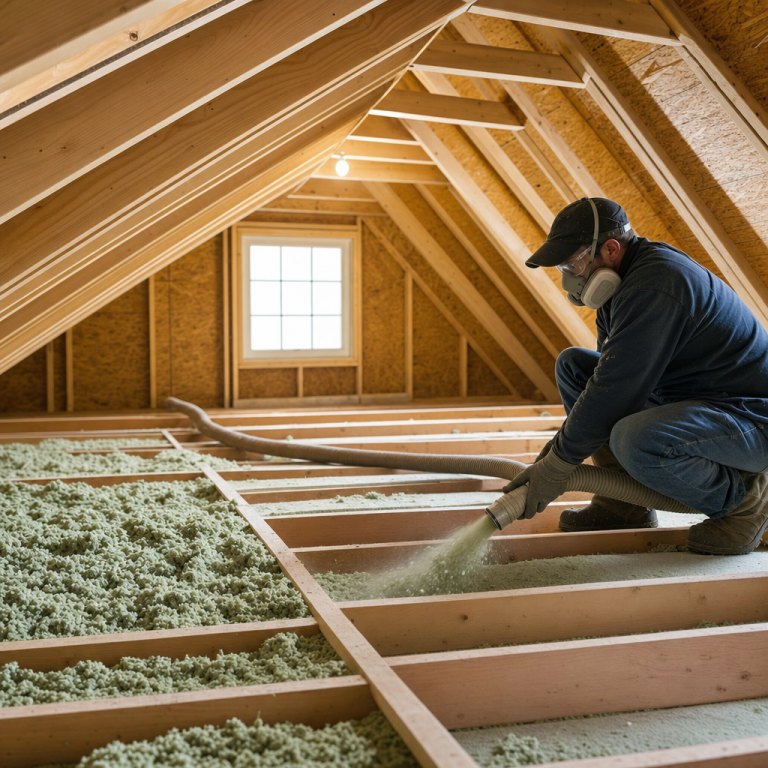
Whether you need a straightforward top-up to bring your attic to R-60, a full insulation removal and replacement due to pest damage or moisture, or a complete residential insulation upgrade with air sealing, our team handles it with care and leaves your home clean when the job is done. Every project is backed by our 12-Month Workmanship Guarantee, and we offer flexible financing with up to 6 months deferred payments for qualifying customers.
Don’t wait for a high energy bill, an ice dam, or a moisture problem to tell you your insulation has been quietly failing. Get ahead of it today with a free, no-obligation quote from Calgary’s attic insulation experts. Call (403) 990-9033 or reach us through our contact page — we’ll have an honest conversation about your attic and your options, with zero pressure.
For more information on the insulation upgrade process and what to expect in terms of cost, check out our guide on the cost of blown-in attic insulation in Calgary, or see whether professional installation is worth it versus DIY in our comparison of DIY vs. professional attic insulation.