It’s a July afternoon in Calgary. The temperature outside is a warm but manageable 28°C — nothing unusual for a Prairie summer. But upstairs in your home, it feels like a different city altogether. The bedrooms are stifling, the ceiling radiates heat like a frying pan, and your air conditioner runs continuously without ever quite winning the battle. Sound familiar? If so, your attic may be the hidden culprit turning your comfortable Calgary home into a summer pressure cooker.
Most homeowners never think about their attic during summer. Insulation is a “winter thing,” right? Not quite. The attic is your home’s single biggest battleground against heat in both directions — keeping warmth in during Calgary’s brutal -30°C winters, and keeping radiant summer heat out when the sun is pounding your roof. Understanding what happens up there in July can change the way you think about home comfort, energy costs, and the health of your house year-round.
What Happens to Your Attic in a Calgary Summer
When the summer sun beats down on a dark asphalt shingle roof, surface temperatures can reach 70–80°C (160–175°F). That heat radiates through your roof deck and into the attic space below. In a poorly insulated attic, air temperatures can soar above 60°C (140°F) — more than twice the temperature outside. According to Natural Resources Canada, homes can lose or gain up to 25% of their total energy through the roof, making the attic the single most impactful place to address in any energy efficiency upgrade.
From that super-heated attic, heat radiates downward through your ceiling into your living spaces. This process, called conductive heat transfer, is relentless — it keeps pushing heat into your home as long as the temperature differential exists. Even after the sun sets, a poorly insulated attic holds onto that stored heat and continues pumping it into your home well into the evening. That’s why upper floors and bedrooms in older Calgary homes often feel uncomfortably warm even at 10 p.m. on a summer night.
Calgary’s climate sits in Climate Zone 7A, which means it experiences both extremes: bitter cold winters reaching -30°C and summers that can include extended heat stretches, especially as Canadian summers have trended warmer. The same insulation barrier that protects you in January is your best weapon in July.
Signs Your Attic Is Failing You This Summer
Your attic may not be pulling its weight if you notice any of the following in your home:
- Upper floors that are consistently hotter than lower levels — a 5°C or greater difference between floors is a red flag
- An air conditioner that runs almost continuously without achieving the set temperature
- Energy bills that spike dramatically in summer, disproportionate to how much you use your AC
- Rooms near the roofline that are uncomfortable no matter how high you turn up the AC
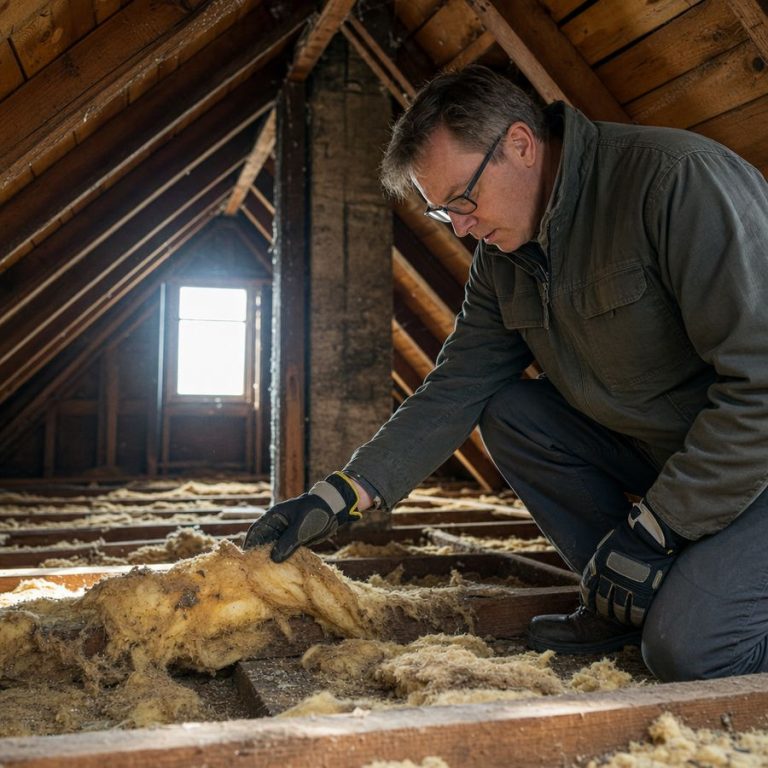
- Patchy, compressed, or visibly thin insulation if you peek into your attic hatch
- Attic insulation depth well below 14–18 inches (the approximate depth for R-60 blown-in insulation)
Any one of these signs is worth investigating. More than two or three means your attic insulation is almost certainly costing you comfort and money every single summer.
How Proper Attic Insulation Creates a Summer Heat Shield
Think of well-installed attic insulation as a giant thermal lid on your home. It works by slowing the rate at which heat moves from the super-heated attic space into your living area. The higher the R-value of your insulation, the more effectively it resists heat flow. Alberta’s National Building Code currently requires a minimum of R-60 (RSI 10.43) for attic ceilings — a standard that many Calgary homes, particularly those built before the late 1990s or early 2000s, simply don’t meet.
When your insulation meets or exceeds R-60, the ceiling above your living space stays much closer to your indoor air temperature, rather than acting as a radiator. Your air conditioner no longer has to fight the attic’s stored heat to maintain comfort — it just has to manage the modest heat gain from windows and normal occupancy. Studies consistently show that upgrading attic insulation to code levels can reduce cooling costs by 10–25% in Calgary-area homes, with some homes seeing even greater reductions when insulation is paired with proper air sealing.
The relationship between insulation and your AC system is worth understanding: every hour your air conditioner runs under heavy load costs more money, adds wear to the compressor, and reduces the system’s lifespan. A properly insulated attic doesn’t just lower your electricity bill — it also extends the life of your cooling equipment. Over a 15-year horizon, that’s a meaningful financial benefit on top of the immediate comfort improvement.
Insulation Types and Summer Performance
Not all insulation performs equally when it comes to summer heat management. Here’s a quick comparison of the most common attic insulation options for Calgary homes:
| Insulation Type | R-Value per Inch | Summer Heat Performance | Best For |
|---|---|---|---|
| Blown-in Fiberglass | R-2.2 to R-2.7 | Good; fills gaps and voids effectively | Top-ups on existing insulation |
| Blown-in Cellulose | R-3.2 to R-3.8 | Very Good; dense-pack resists convection | Full upgrades, eco-conscious homeowners |
| Spray Foam (closed-cell) | R-6 to R-7 | Excellent; air-seals and insulates simultaneously | Rim joists, attic hatches, complex spaces |
| Batts (fiberglass or mineral wool) | R-3 to R-4 | Good when installed without gaps | New construction or full attic re-do |
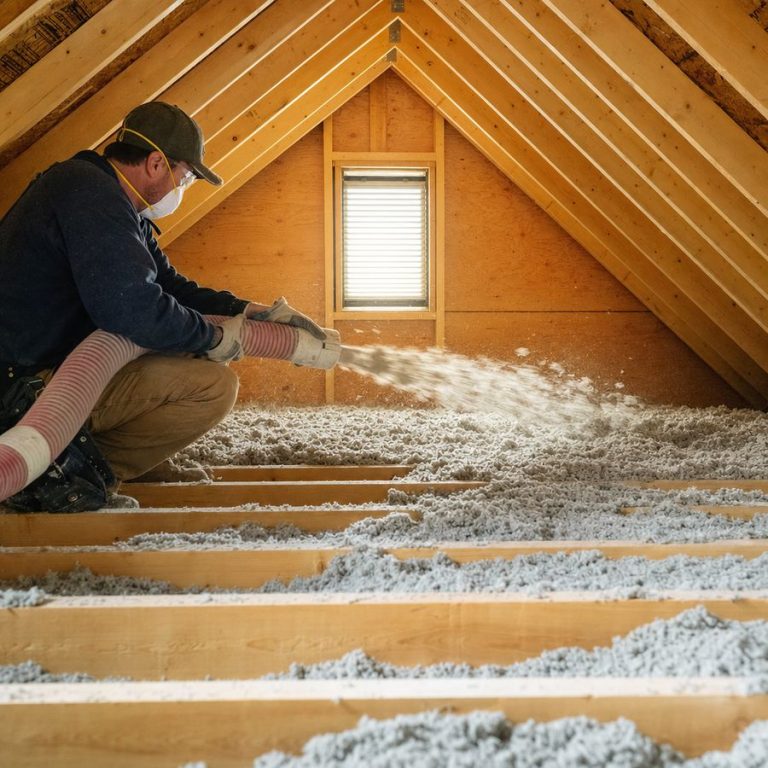
For most Calgary homes, blown-in insulation — either fiberglass or cellulose — is the most cost-effective way to achieve R-60 in an existing attic. The material can be blown over existing insulation in many cases, or installed fresh after a removal. If you’re interested in how these options compare in detail, our post on blown-in insulation vs. batts for Calgary homes goes deeper into the tradeoffs.
Don’t Forget Attic Ventilation — It Works With Insulation
Insulation and attic ventilation are two sides of the same coin. Insulation slows heat transfer; ventilation removes the hot air that does accumulate in the attic so it doesn’t build up to extreme temperatures. A properly ventilated attic — with a balanced intake at the soffits and exhaust at or near the ridge — can reduce peak attic temperatures significantly, making your insulation’s job easier.
Poor attic ventilation in summer can cause moisture buildup (yes, even in summer — from AC-cooled indoor air meeting a hot attic), premature shingle degradation, and reduced insulation performance. Our attic ventilation services address exactly this: making sure your roof system breathes correctly so both your insulation and your shingles last as long as possible. Ventilation upgrades and insulation upgrades are often done together for maximum benefit.
How to Do a Quick DIY Attic Check
You don’t need to be a contractor to get a baseline sense of your attic’s condition. Here’s a safe, simple inspection you can do yourself on a cool morning (never enter an attic during peak afternoon heat in summer — temperatures can be dangerous):
- Locate your attic hatch — usually in a bedroom closet or hallway. Open it carefully and use a flashlight before entering.
- Measure the insulation depth — use a ruler or tape measure. For blown-in insulation to reach R-60, you typically need 14–18 inches of depth. Less than 10 inches is inadequate for a Calgary winter or summer.
- Look for compressed or flattened areas — insulation that has been compressed loses R-value. This often happens near attic hatch areas or where someone has walked on it.
- Check for moisture stains or mold — any dark staining on rafters or roof sheathing is a sign of past or current moisture problems that should be assessed professionally.
- Note any gaps around light fixtures, pipes, or wires — these are air leakage points that bypass your insulation entirely, even if the insulation itself is thick.
If you see any of the above concerns — or if you simply aren’t sure whether your insulation is adequate — it’s worth getting a professional assessment. Eco Attic Solutions offers free, no-obligation quotes that include a professional evaluation of your attic’s condition.
What About Calgary Rebates for Insulation Upgrades?
Adding insulation may qualify for energy efficiency incentive programs in Alberta. Programs such as those offered through Energy Efficiency Alberta and federally through Natural Resources Canada’s Canada Greener Homes initiatives have supported insulation upgrades for homeowners meeting specific R-value improvements. Eligibility requirements and available amounts change periodically, so it’s worth checking current offerings through Alberta’s energy efficiency programs or speaking with your contractor about what may apply to your project. Eco Attic Solutions’ team stays current on available programs and can advise during your consultation.
Our post on the cost of blown-in attic insulation in Calgary covers typical project investment ranges in detail, which can help you evaluate whether financing or rebates make sense for your situation.
How Eco Attic Solutions Helps Calgary Homeowners Beat the Summer Heat
At Eco Attic Solutions, we’ve helped over 780 Calgary homeowners and businesses upgrade their attics for year-round performance — in winter comfort and summer cooling alike. Our process starts with a thorough attic assessment, measuring your existing insulation depth, checking ventilation, and identifying any air leakage or moisture concerns before we recommend a solution. We don’t upsell or recommend work you don’t need — just honest advice and expert installation.
Our installation teams use high-quality blown-in and other insulation materials selected for Alberta’s unique climate demands, and every project is backed by our 12-Month Workmanship Guarantee. We also offer flexible financing options — including up to 6 months of deferred payments — so you can get comfortable this summer without financial stress.
Don’t spend another Calgary summer fighting your own attic. Contact us today for your free, no-obligation quote. Call (403) 990-9033 or visit our contact page to get started. Whether you need a simple top-up or a full residential attic insulation upgrade, our team is ready to help you cool down for good.